The USS Trepang Periscope Photos
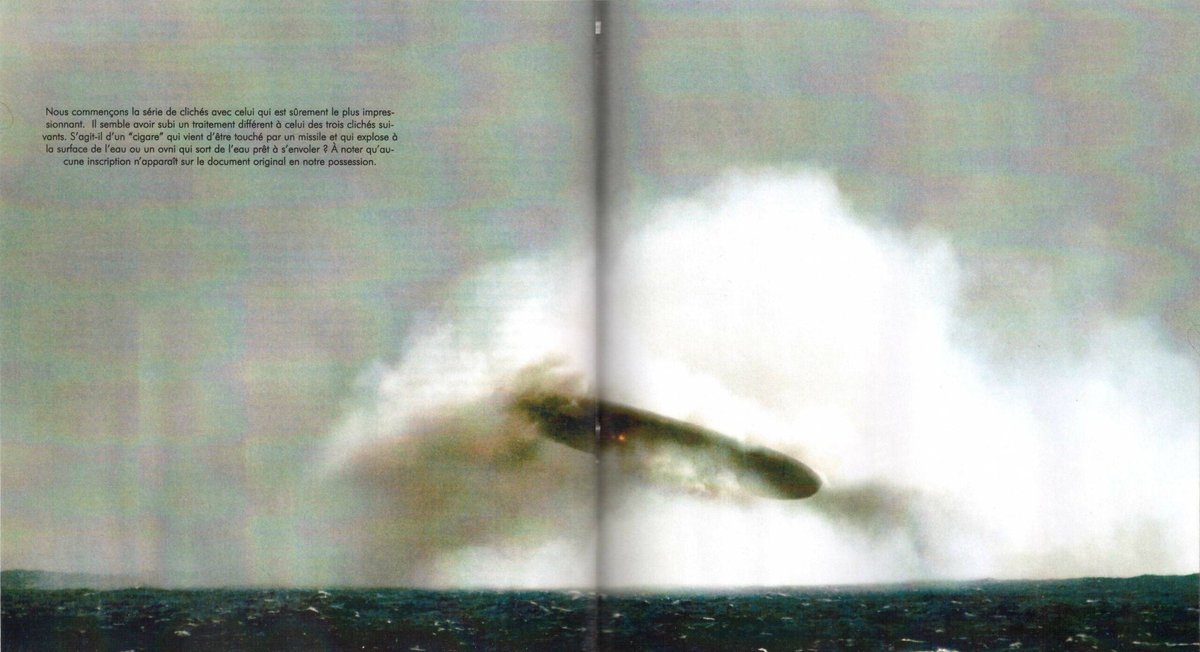
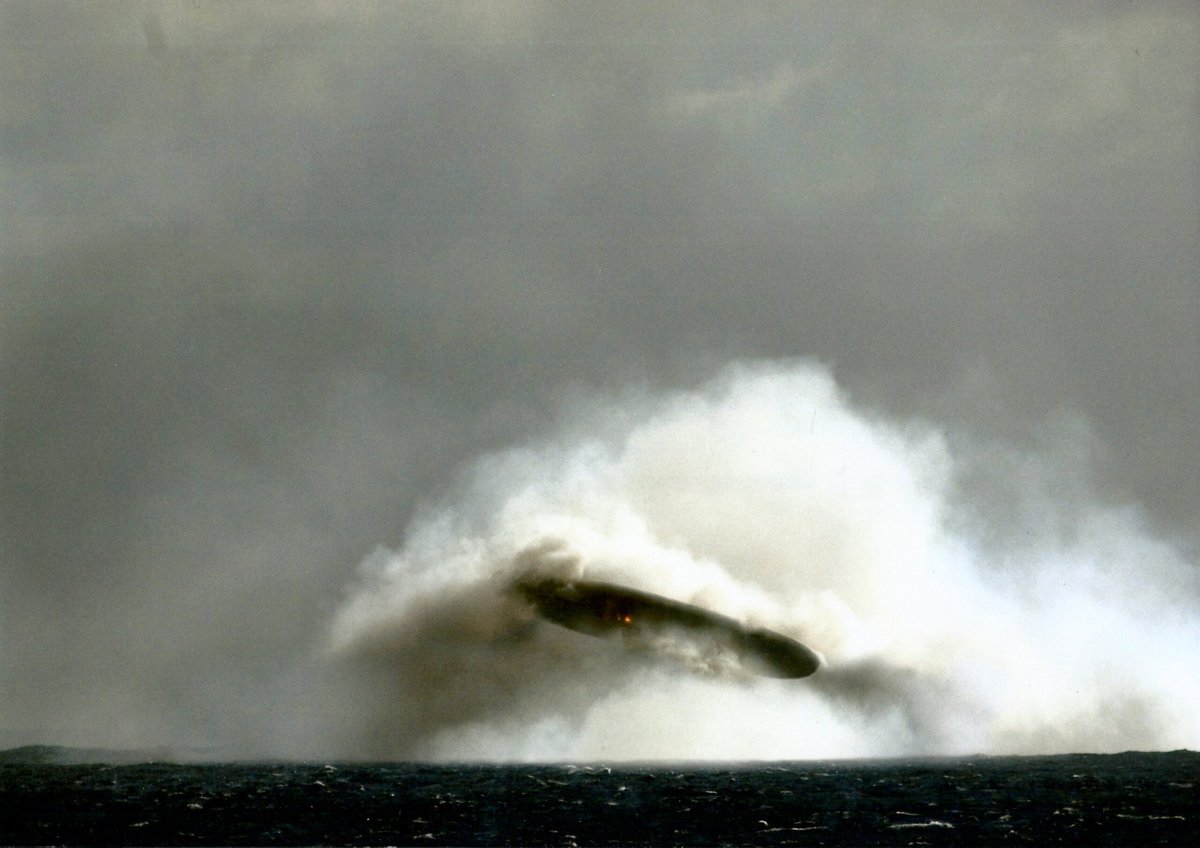
A set of black-and-white photographs, complete with periscope crosshairs, that claim to show enormous objects over the Arctic sea as a US Navy submarine watched. The submarine was real and was exactly where the story puts it. The problem is that the men who commanded it say the sighting never happened, and the objects match something far more ordinary that the Navy itself was testing.
What did witnesses see at Arctic Ocean?
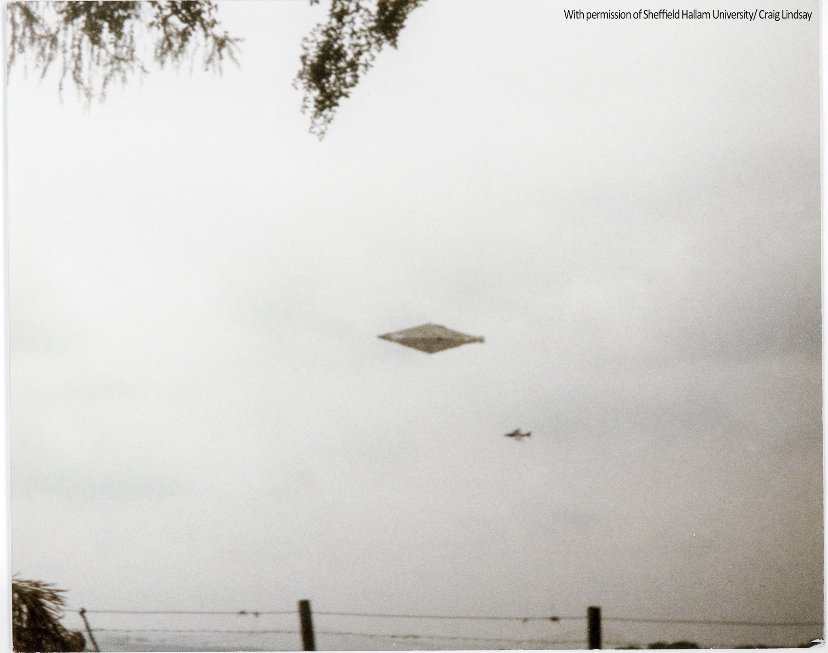
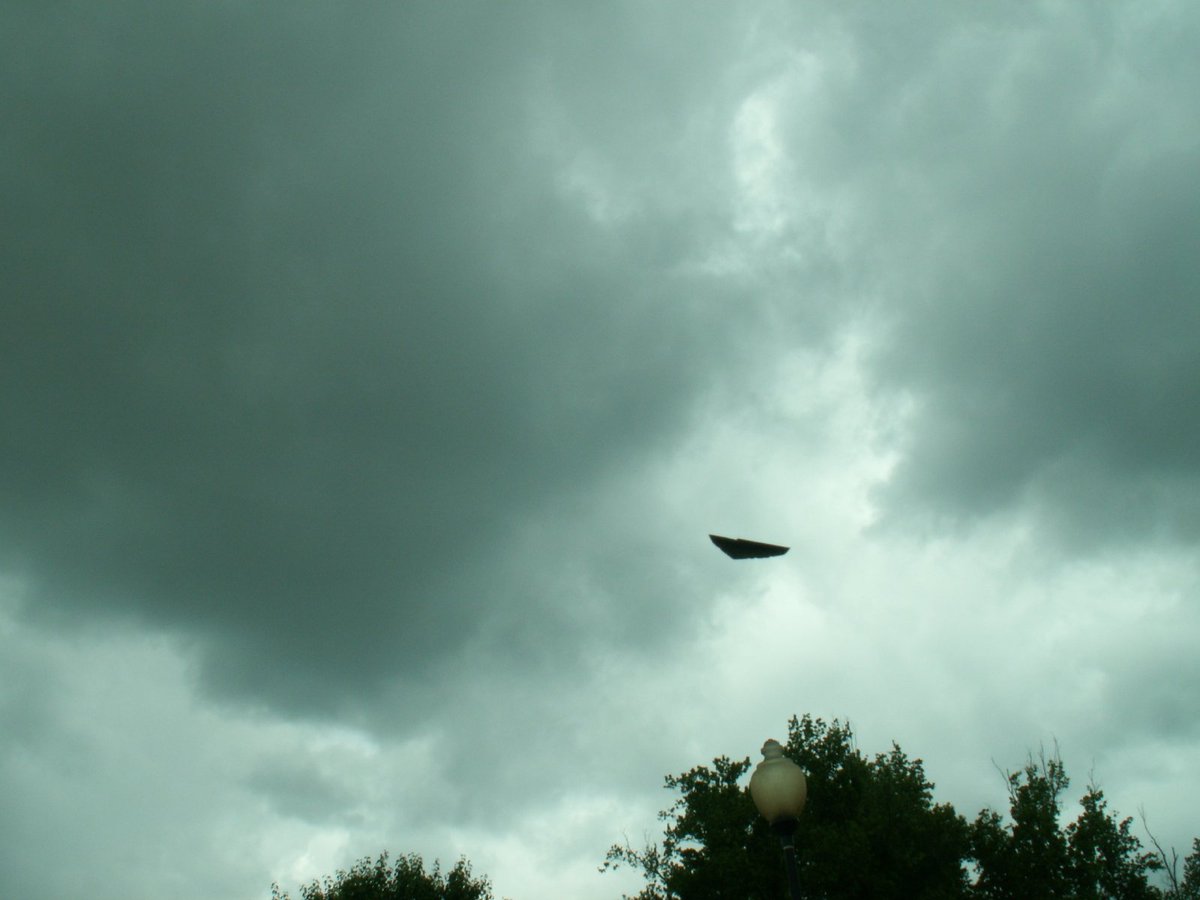
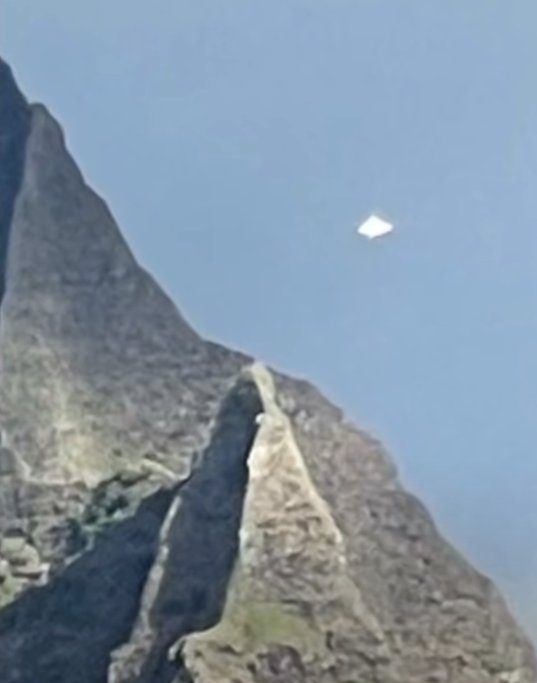
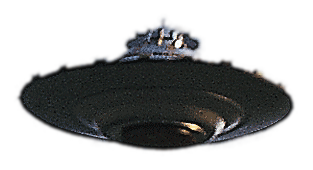
Black-and-white photos, allegedly shot through the periscope of the USS Trepang (SSN-674), showing a large cigar or blimp-shaped object, a triangular object, and an egg or disc shape low over the sea, with some frames appearing to show an object entering or leaving the water. The Trepang verifiably operated under the Arctic ice between 22 February and 22 March 1971.
More footage and images of this sighting
What is the official explanation?
No official Navy statement exists on the photos. The boat's commanding officer, Admiral Dean Reynolds Sackett, told researcher Alex Mistretta he "only saw ice" during the cruise, and John Klika, the periscope operator named in the original claim, confirmed he was aboard but said no one observed anything unusual.
What did the witnesses think it was?
No firsthand witness has ever come forward. The photos surfaced anonymously through the French magazine Top Secret in 2015 and were publicized by researcher Alex Mistretta, who himself later concluded the Trepang was probably not involved in taking them.
The dispute
The dispute is that the objects in the so-called USS Trepang periscope photos are most likely an ordinary naval target during a weapons exercise rather than an unidentified craft, and that the photos may not even originate from the Trepang at all. The leading counter-explanation comes from The Black Vault's investigation, which concluded the images probably show a naval weapons test, with the cigar shape matching a target balloon or dirigible. This is not a bare assertion. It is anchored to provenance, because the Trepang's own deck logs record extensive weapons-system tests on that exact cruise, which supplies an ordinary on-scene source for a tethered or free-floating aerial target appearing near the boat.
On the image side, Metabunk analysts matched the photographed shapes to naval airships, and two researchers found signs of digital manipulation in some of the magazine reproductions that carried the pictures. Together these point at two prosaic failure modes at once, a mundane object such as an airship or target balloon, and degraded or altered reproductions standing in for any original frame. The human testimony cuts the same way. Commanding officer Admiral Dean Reynolds Sackett told researcher Alex Mistretta he only saw ice during the cruise, and periscope operator John Klika confirmed he was aboard but said no one observed anything unusual. No firsthand witness has ever come forward to affirm the sighting. The chain of custody is broken on top of that: the photos surfaced anonymously through the French magazine Top Secret in 2015 and were publicized by Mistretta, who later concluded the Trepang was probably not involved in taking them.
Where the debunk stops short is the part that matters. None of this identifies the object in the frames. The balloon or airship reading is hedged by its own authors as "probably" or "could be" and rests on visual resemblance and analogy, never on a demonstrated shape-match or a measurement of the actual source frames. The original negatives have never surfaced for a definitive analysis, the manipulation finding covers only some reproductions rather than the underlying images, and the page itself does not spell out the methodology behind the airship comparison. There is no confession or recantation, because the photos are anonymous and there was never a named photographer to recant. No prop, rig, or naval target has been recovered and tied to this event. And the most damaging single element, Mistretta's retreat, closes a peripheral question, whether the Trepang is the platform, while leaving the central anomaly, what the structured objects are, unidentified. So the counter-explanation is convergent and serious but it does not close the core claim. It comes close to settling the photos as ordinary or misattributed without doing so, which is why the dispute is barely a debunk rather than a strong one.
Is the USS Trepang Periscope Photos real? The two-pass assessment
Pass one, the ordinary reading. The Black Vault's investigation concluded the photos probably show a naval weapons test, with the cigar-shaped object matching a target balloon or dirigible, and the Trepang's own deck logs record weapons-system tests on that exact cruise, which supplies an ordinary on-scene source for an aerial target near the boat. Metabunk analysts matched the photographed shapes to naval airships, two researchers reported signs of digital manipulation in some of the magazine reproductions, and both named officers deny the event: commanding officer Admiral Dean Reynolds Sackett told researcher Alex Mistretta he "only saw ice" during the cruise, and periscope operator John Klika confirmed he was aboard but said no one observed anything unusual. On top of that the chain of custody is broken at the source. The photos surfaced anonymously through the French magazine Top Secret in 2015, and Mistretta, the man who put them into circulation, later concluded the Trepang was probably not involved in taking them. Read at face value, that is an affirmative case with no firsthand witness, no confirmed platform, and no verified provenance.
Pass two, what survives. Strip away the platform question and the photographs still contain structured objects over the sea, a cigar or blimp form, a triangle, and an egg or disc, with frames that appear to show something entering or leaving the water, a USO morphology that recurs across the literature. Nobody has identified what those objects are. The balloon or airship reading is hedged by its own authors as "probably" or "could be" and rests on visual resemblance and analogy, not on a measured shape-match against the actual source frames. The original negatives have never surfaced for a definitive analysis, the manipulation finding is described as touching only some reproductions rather than the underlying images, and the page concedes no one has spelled out the exact methodology behind the airship comparison. The witnesses who deny the event were aboard the submarine, so their denials and Mistretta's retreat speak to whether this boat is the platform, not to what the photographed objects are.
Verdict: Barely Disputed. This is not Strongly Disputed because none of the three bars for a closed debunk is met. No witness or photographer has confessed or recanted, and there was never a named photographer to recant, because the images are anonymous. No prop, rig, or target has been recovered and tied to this event. And there is no positive identification of the specific real-world object, only a hedged resemblance to a balloon or airship that was never demonstrated by measurement. The single most damaging element, Mistretta's walk-back, closes a peripheral question, whether the Trepang is the source, while leaving the central anomaly, the identity of the structured objects in the frames, untouched. A convergent stack of weak strands, a hedged candidate object, image-analysis flags on some reproductions, officer denials, and the promoter's retreat, all lean the same way and make the prosaic reading the more likely one, but convergent and unclosed is not the same as settled. The case largely stands.
Sources
- www.theblackvault.com/casefiles/arctic-ufo-photographs-uss-trepang-ssn-674-march-1971/
- www.metabunk.org/threads/claim-uss-trepang-ssn-674-submarine-photographs-are-of-ufos.13064/