The Billy Meier Beamships
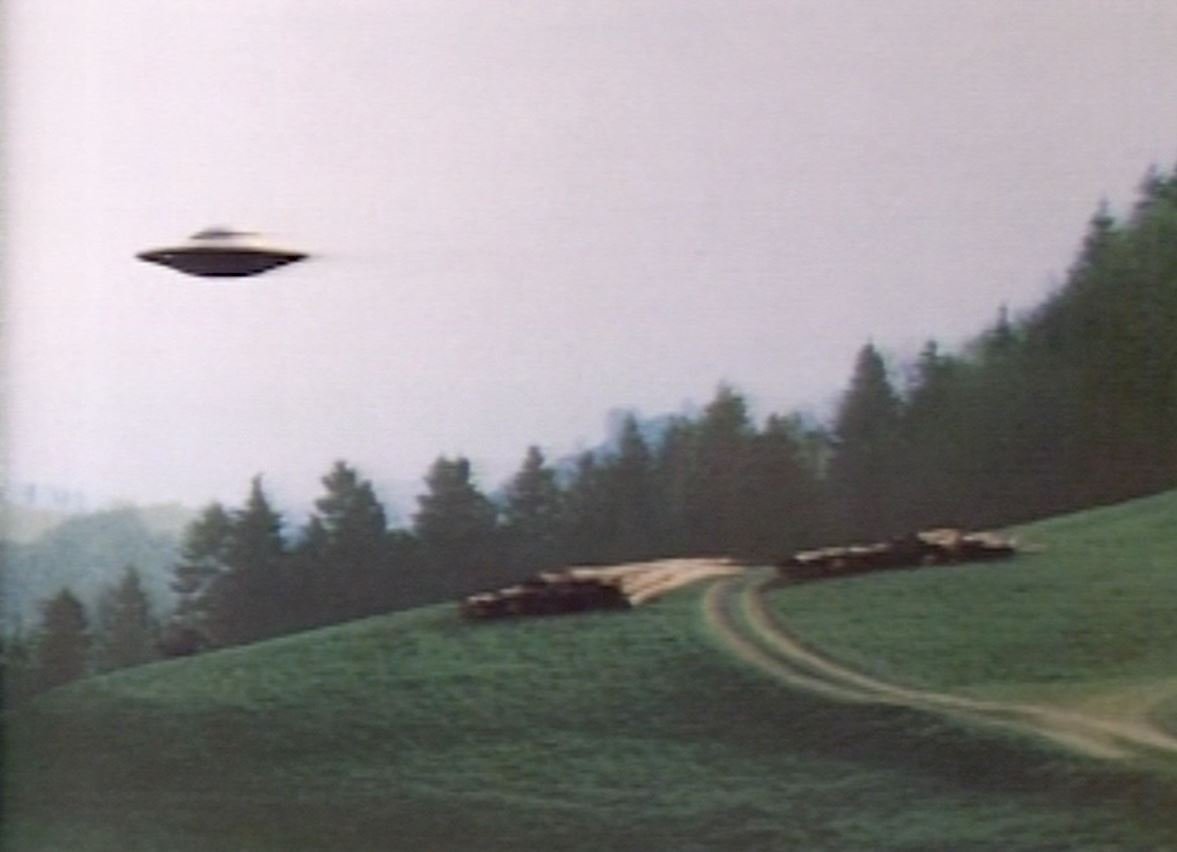
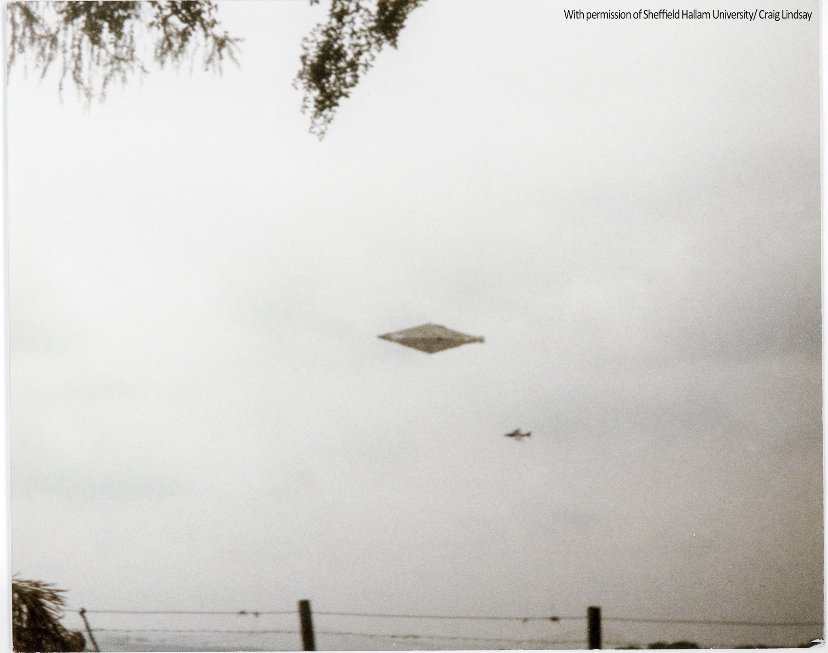
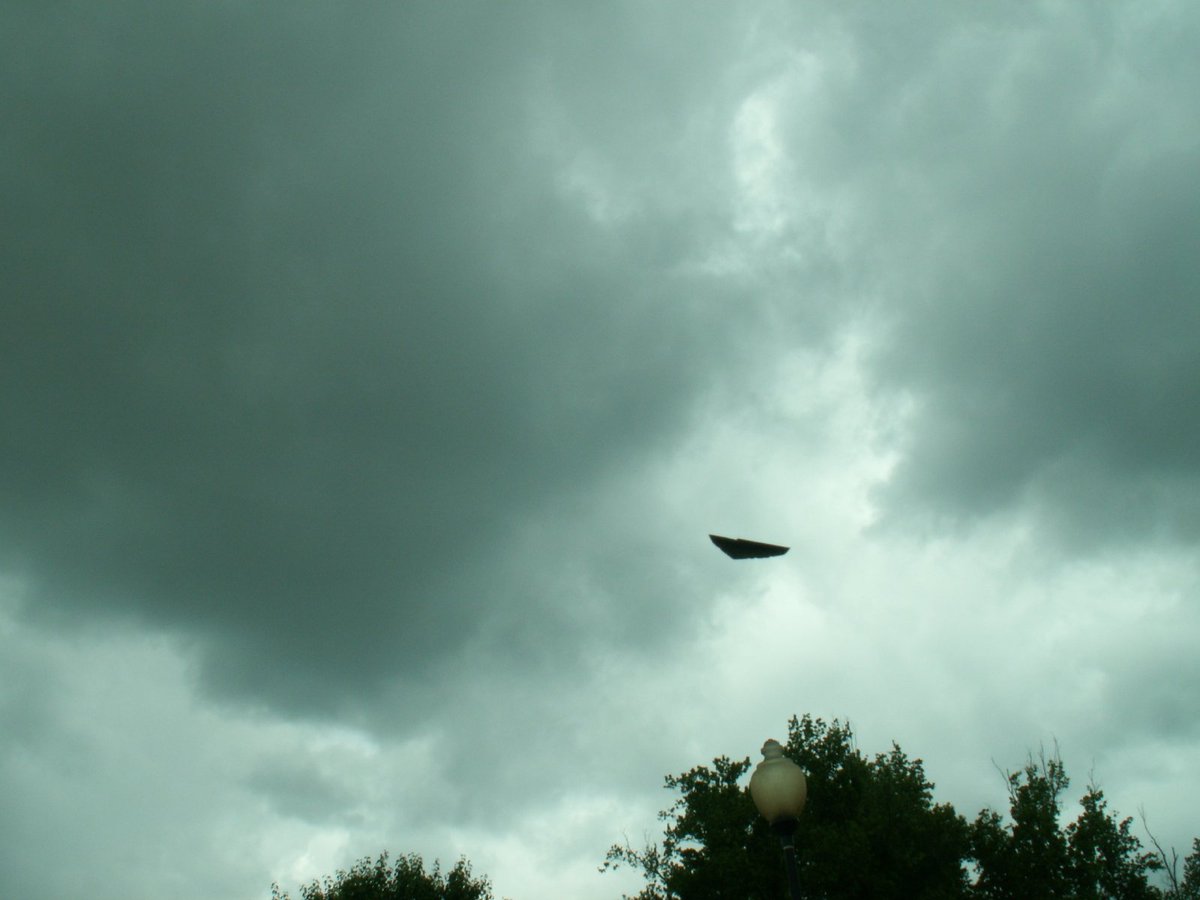
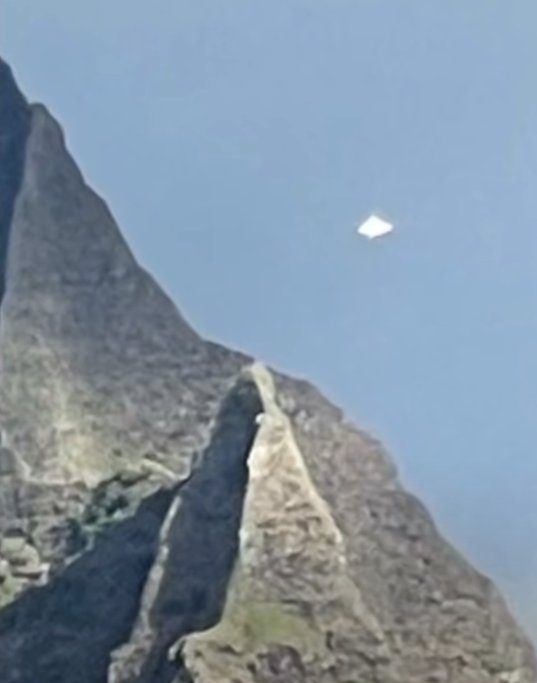
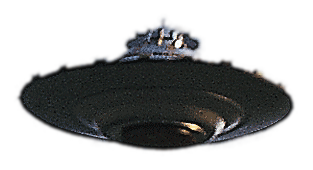
Strikingly detailed daytime photographs of domed metallic beamships with banded, porthole-like edges over Swiss countryside. This case file covers what witnesses reported, the official narrative, and a two-pass assessment with its evidence tier.
What did witnesses see at Schmidruti?
Strikingly detailed daytime photographs of domed metallic beamships with banded, porthole-like edges over Swiss countryside. Over a thousand were produced between 1975 and 1982.
More footage and images of this sighting
What is the official explanation?
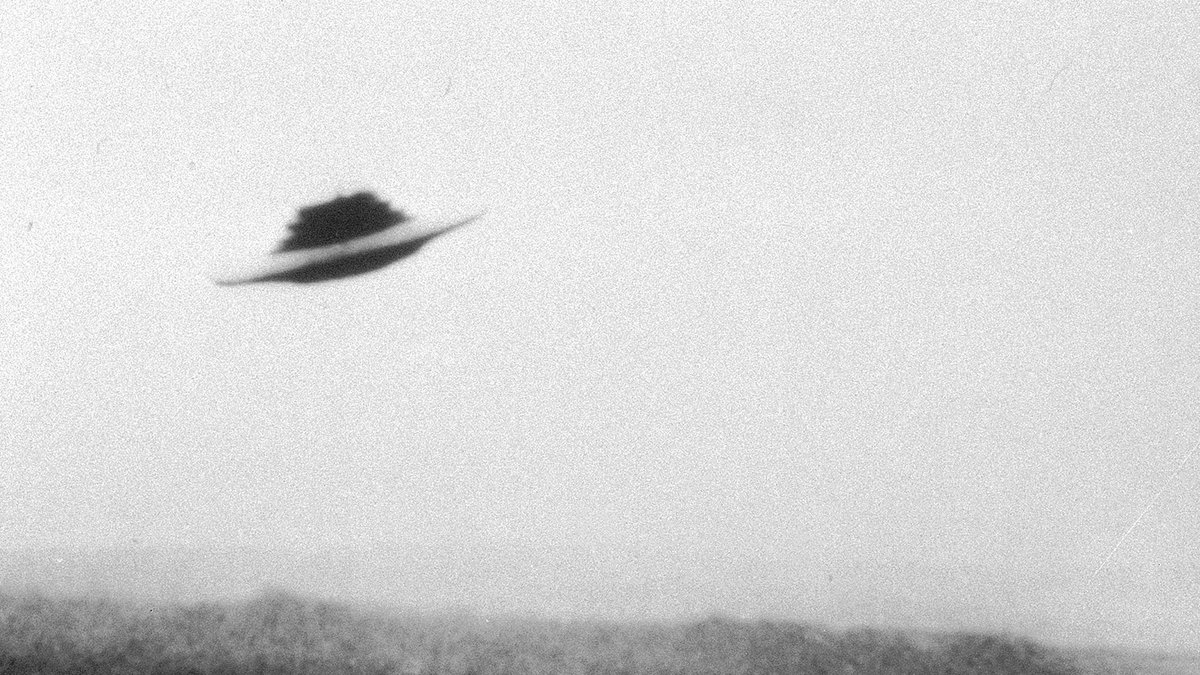
No government involvement on either side, which itself is notable for the most famous photographic case in Europe. The investigative record is split and has been from the start. Hostile analyses exist and are named: Ground Saucer Watch ran computer analyses in 1977 and called the photos reproducible fakes, and later investigators published object-match claims against individual images. On the other side, the original investigation team led by retired USAF pilot Wendelle Stevens and the Elders spent years on site in Switzerland and concluded the material was authentic, and researcher James Deardorff defended the case in print for decades. This archive credits neither camp by authority; both made claims, and the claims conflict.
What did the witnesses think it was?
Meier maintained throughout that the contact and craft were genuine, and a devoted following still defends the case.
The dispute
The dispute over Billy Meier's beamship photographs runs along two organized lines, both documented on the page. The first is technical: Ground Saucer Watch ran computer analyses in 1977 and called the photos reproducible fakes. The verdict was reached through image analysis rather than by recovering or rebuilding the object photographed, so what the page records is a conclusion of reproducibility, not a demonstrated reconstruction that shows exactly how Meier staged the shots. The second line is the object-match work: later investigators published claims that some individual images correspond to household objects and to a television broadcast. The page reports these matches in summary form and names no individual analyst behind them, so the strength of the correspondence cannot be weighed from what is documented here.
Alongside the photographic claims sits an insider account. Meier's ex-wife, speaking to interviewers after the marriage collapsed, said the craft were models. This is the closest thing in the record to direct testimony that the objects were fabricated, and it carries weight because it comes from someone positioned to know. But it is a single recollection delivered amid a marital breakdown, with no model, materials, or construction method produced on the page to corroborate it, so it functions as an allegation rather than recovered physical proof.
Against the skeptical side the page sets the supportive investigation: the original team led by retired USAF pilot Wendelle Stevens concluded the material was authentic, and researcher James Deardorff defended the case in print for decades. Weighing more heavily than either camp's analysis is the raw scale of the evidence, more than a thousand daytime photographs of domed metallic beamships produced between 1975 and 1982 by a one-armed man who never recanted across a half century.
So the counter-explanations are real and varied, a computer-analysis verdict, object matches against ordinary items and a broadcast, and an insider calling the craft models, but each is partial or contested and none is shown on the page with a conclusive reconstruction that would settle the photographs as fakes. The object-match work is unattributed, the Ground Saucer Watch finding is a reproducibility claim rather than a proven method, and the ex-wife's statement stands uncorroborated. The page itself reaches a verdict of Disputed: the objections keep the case out of the top tier, while the volume of material and the witness's decades of consistency keep it clear of the bottom one. The dispute wounds the case but does not close it.
Is the Billy Meier Beamships real? The two-pass assessment
Pass one: the named objections are real and stay on the record. Photo-matching work argues some images correspond to household objects and a television broadcast, and Meier’s ex-wife told interviewers after the marriage collapsed that the craft were models. Weighed honestly, that last item is the testimony of an estranged spouse speaking after a bitter separation, the kind of motivated witness any court would treat with caution, and it has never been accompanied by a demonstration reproducing the full photographic record. Pass two: the scale of the material has no equal anywhere in the literature. A one-armed man working alone with 1970s film equipment produced over a thousand photographs, film footage, sound recordings, and metal samples across decades, under repeated scrutiny, without recanting once in fifty years. The original on-site investigators judged it authentic after years of work, not hours. No one on either side has ever demonstrated, end to end, how the whole body of material could have been faked by one man with one arm. Verdict: Disputed. The objections keep it out of the top tier; the body of evidence and the witness’s half-century of consistency keep it well clear of the bottom one.
Sources
- billymeieruforesearch.com/investigation-of-others/
- www.figu.org/
- theyfly.com/
- web.archive.org/web/20251118001303/https://cdn.centerforinquiry.org/wp-content/uploads/sites/29/1996/03/22165044/p48.pdf
- web.archive.org/web/20170206221156/http://www.billymeieruforesearch.com/billy-meier-figu/kalliope-zafiriou/luc-burgin-interviews-kalliope-ufo-kurier-nr-30-april-1997/
More cases from this region: UFO sightings in Switzerland