The Echo Flight Shutdown at Malmstrom
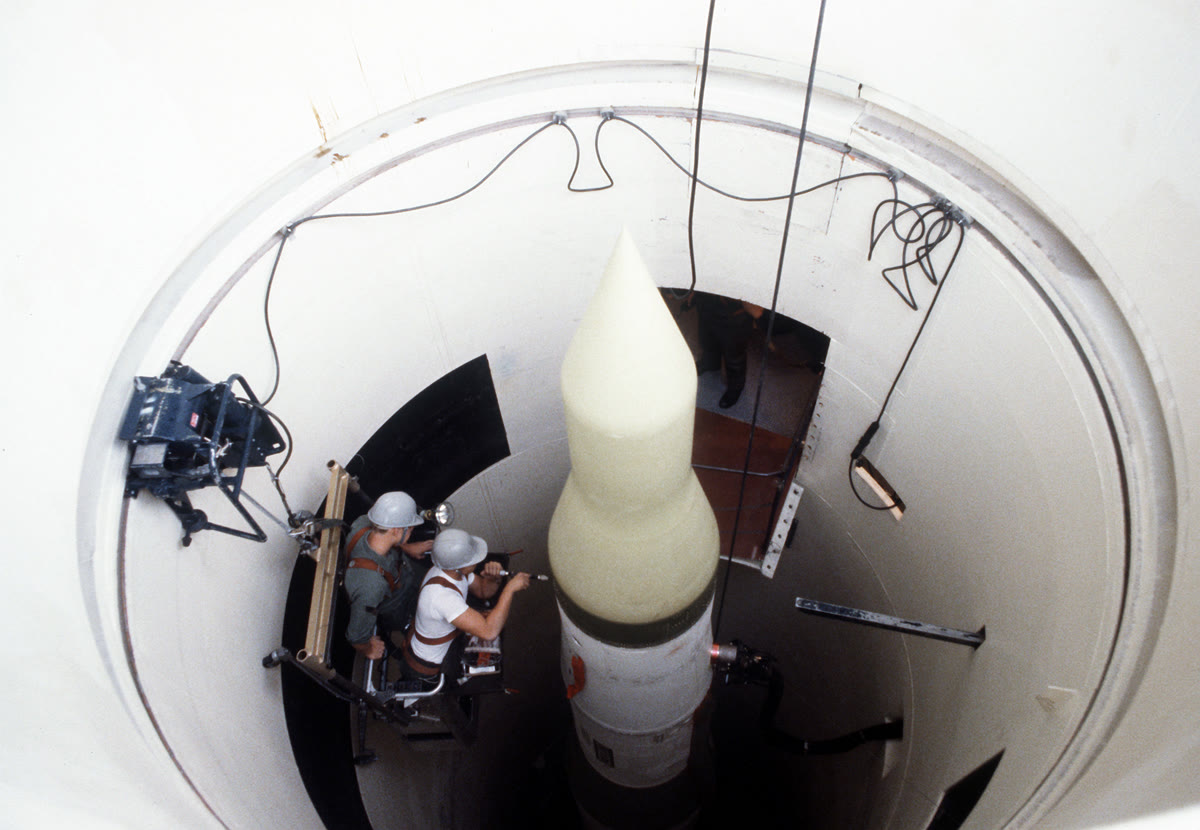
At roughly 0845 local time on 16 March 1967, every one of the ten Minuteman I intercontinental ballistic missiles making up Echo (E) Flight, a remote squadron of the 341st Strategic Missile Wing at Malmstrom Air Force Base near Great Falls, Montana, dropped off strategic alert. This case file covers what witnesses reported, the official narrative, and a two-pass assessment with its evidence tier.
What did witnesses see at Malmstrom Air Force Base?
At roughly 0845 local time on 16 March 1967, every one of the ten Minuteman I intercontinental ballistic missiles making up Echo (E) Flight, a remote squadron of the 341st Strategic Missile Wing at Malmstrom Air Force Base near Great Falls, Montana, dropped off strategic alert. Within seconds of one another the launch facilities reported a "No-Go" condition on their guidance and control systems, and the flight lost its entire nuclear alert posture. For a Strategic Air Command wing at the height of the Cold War, an entire flight of hardened, dispersed missiles going down at once was, in the words of the unit history, an extremely serious operational problem.
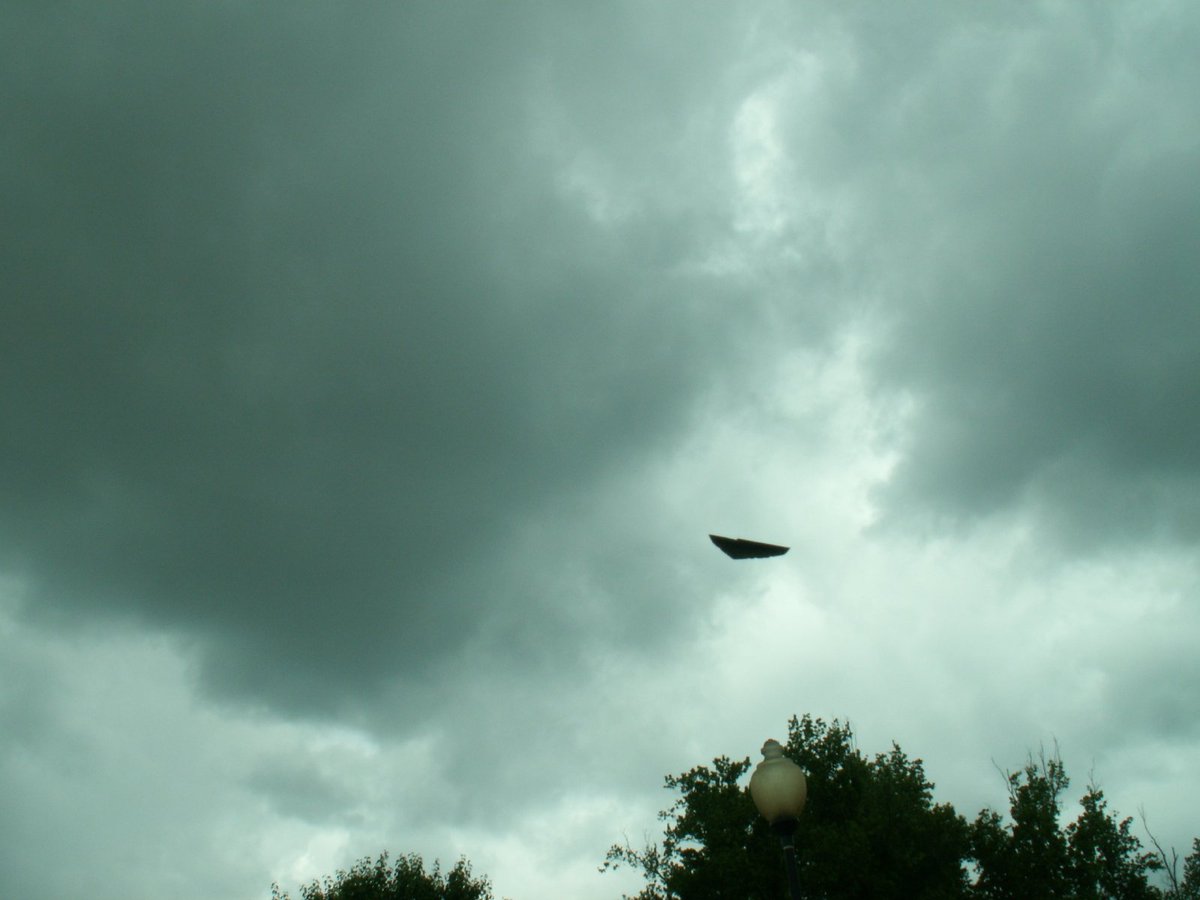
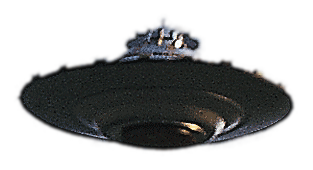
The launch control capsule for Echo Flight sat in a hardened underground bunker. The two officers on duty that morning were Captain Eric Carlson, the crew commander, and First Lieutenant Walter Figel, the deputy commander. According to Figel, the shutdowns did not arrive in silence. As the missiles began to fail, he received radio calls from topside personnel, security guards and a maintenance man at the launch facilities, and one of those reports described a large round object hovering directly over one of the sites.
Eight to nine days later, another 341st launch officer, First Lieutenant Robert Salas, has said he lived through a strikingly similar event at a second flight, which he came to identify as Oscar (O) Flight. In Salas's telling, a security guard topside phoned down in alarm to report lights and a glowing red oval object hovering over or near the front gate, and while that call was underway his missiles too began to drop off alert one after another until most or all of the flight was down.
Those two threads, the documented mass shutdown of Echo Flight and the disputed UFO correlation carried largely by Salas and by researcher Robert Hastings, are what turned an internal Air Force reliability failure into one of the most argued cases in UFO history. The core verified fact is not in dispute. Ten Minuteman missiles really did go off alert nearly simultaneously on 16 March 1967, and the Air Force never publicly produced a fully satisfying engineering cause. What that fact means, and whether anything was in the sky, is the whole fight.
What is the official explanation?
The primary official record is the declassified quarterly and unit history of the 341st Strategic Missile Wing, released under the Freedom of Information Act and hosted in archives such as NICAP and The Black Vault. Those documents confirm the event flatly. On 16 March 1967 all sites of Echo Flight lost strategic alert nearly simultaneously with No-Go indications, and the failure showed up on the guidance and control channels tied to the Voice Reporting Signal Assembly. The missiles were restored to alert without major equipment changes. The working hypothesis recorded in the history was that an electronic noise pulse had coupled into the logic coupler of the guidance and control system, an electromagnetic transient behaving somewhat like the electromagnetic effects associated with a nuclear detonation, propagating through the flight and tripping the channels.
To chase that hypothesis, the Air Force ran an engineering investigation with Boeing, the Minuteman prime contractor, and testing at the Ogden Air Materiel Area and at Boeing facilities in Seattle. Out of this came the idea that a transient noise pulse on the buried cabling could momentarily fault the logic couplers, and force modernization work already in progress included electromagnetic pulse filtering on the system. That filtering program is the origin of the phrase sneak circuit that skeptics use, the notion that a stray electrical path let a pulse do what it should not have been able to do.
There is one large and honest complication inside the official story. Robert Kaminski, a Boeing engineer who has said he led part of the failure analysis, later stated publicly that the investigation team surveyed Echo and found no significant failures and no engineering data that could explain how ten missiles were knocked off alert. He said a representative told him the event had been reported as a UFO incident, that a stop work order was issued, and that the team was told not to submit a final engineering report. So the documented electrical hypothesis is real, but by the account of the contractor's own engineer it was never actually closed out with a demonstrated cause.
Crucially, the surviving official history does not endorse a UFO. Where UFOs are mentioned around Echo Flight, the record treats the rumors as investigated and unsupported. A mobile strike team sent to the sites is recorded as finding no unusual activity or sightings. The Air Force position, then and later, was that the shutdown was an electrical or electromagnetic malfunction and that no confirmed UFO was connected to it.
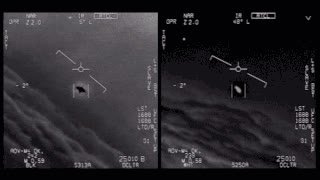
In June 2025 a new official layer appeared. Wall Street Journal reporting, tied to the Pentagon's All domain Anomaly Resolution Office, described how the Air Force had built devices to test the electromagnetic vulnerability of missile systems, including a platform raised roughly sixty feet above a facility that would gather power until it glowed, sometimes with a blinding orange light, then release a burst of energy. That reporting has been read to suggest the Malmstrom shutdowns were an electromagnetic pulse test. It is important to be precise. As of that reporting AARO had not published the underlying findings for this specific case, and the account is contested on its own terms.
What did the witnesses think it was?
The witness who anchors the pro UFO reading of Echo Flight is Walter Figel, the deputy commander in the capsule that morning. In telephone interviews taped with his permission by Robert Hastings in 2008, 2009 and 2010, Figel described being told by a guard at a launch facility about a large round object directly over the site, arriving at almost the same moment the missiles failed. Figel's own words are guarded. He said of the guard, I was thinking he was yanking my chain more than anything else, and yet he confirmed the man seemed to be serious. He described the object only as the guard gave it to him, a large round object, directly over the site, and he said he dispatched security alert teams to investigate. He also said that afterward he and Carlson were simply told, thank you very much, don't talk about it, and go home.
Robert Salas is the public face of the story. A former Air Force captain and later an engineer, Salas has recounted for more than three decades that during his shift a topside guard reported lights and a glowing red oval object, and that his missiles then went No-Go one after another. Salas appeared at the National Press Club in Washington on 27 September 2010, in a Hastings organized event featuring former missile officers, and told this account to a national audience as evidence that unidentified craft have monitored and interfered with American nuclear weapons.
Robert Hastings has spent years assembling corroboration. He points to Figel's on tape admissions, to Boeing engineer Robert Kaminski's account of an investigation that found no cause and was then shut down, and to other former missileers and guards who describe UFO activity around Malmstrom's flights in this period. Bob Jamison, a former targeting officer, has described being sent to help restart downed missiles and being briefed about UFO reports during the effort.
The witness picture is genuinely mixed rather than uniform. Figel confirms he received a UFO report but frames it with open skepticism about the guard. Eric Carlson, the Echo commander, has through his son consistently denied any real UFO involvement. The strongest verified thread is not that a craft was proven present, but that at least one topside witness reported an object over a site at the moment of failure, and that the contractor's engineer says the technical cause was never actually established.
Is the Echo Flight Shutdown at Malmstrom real? The two-pass assessment
Pass one, the mundane reading. The spine of the skeptical case is that only one thing here is documented, the electrical shutdown, and that the UFO layer is a later overlay. The unit history records a No-Go on the guidance channels and a working hypothesis of an electronic noise pulse into the logic coupler, and force modernization was already adding electromagnetic filtering. On this view Echo Flight is a known class of Cold War reliability failure, a transient coupling into vulnerable logic that a maturing weapon system was already being hardened against. James Carlson, son of the Echo commander Eric Carlson, presses this hard and adds a specific and serious charge, that the famous UFO shutdown story is a conflation. He argues that Salas was in a capsule tens of feet underground, saw nothing himself, changed key details over the years, at one point placed himself at a different flight, and fused a genuine but separate documented Echo Flight electrical event with a later, poorly documented Oscar Flight story and with unrelated Belt, Montana sightings around 24 and 25 March. Skeptics including James Oberg, Tim Printy, Robert Sheaffer and Brian Dunning reinforce pieces of this. Printy examines Carlson's critique and concludes the shutdown was an electronic glitch with no UFO cause. Sheaffer suggests a bright object some witnesses recalled could have been a planet. The blunt version, missiles failed electrically on 16 March, and the UFO was grafted on afterward, is the strongest mundane account and it explains most of the paper trail.
The 2025 electromagnetic pulse test claim looks at first like a tidy mundane answer, a glowing orange test device sixty feet up that would explain both the shutdown and the lights. But it does not survive scrutiny cleanly. Portable electromagnetic pulse simulators of the relevant kind, the TEMPS system, are documented as entering service around 1973, six years after the incident, and such rigs were large, conspicuous installations, not something quietly staged over a live missile flight without base security noticing. Testing an electromagnetic weapon directly on armed nuclear missiles would itself be extraordinary. So the newest official sounding explanation is contested and, taken at face value, raises as many problems as it solves.
Pass two, if the correlation is real. Suppose Figel's guard really did see a large object over a site at the instant the missiles dropped, and suppose Kaminski is right that Boeing found no engineering cause and was ordered to stop and not file a report. Then the picture is far heavier. It would mean ten hardened, dispersed, independently controlled nuclear missiles were taken off alert nearly simultaneously by something the prime contractor could not reproduce or explain, in the presence of an unidentified object, and that the failure analysis was administratively closed rather than resolved. Simultaneous denial of an entire flight is not a random fault signature, it implies a common mode cause reaching every site at once, which is exactly what an external electromagnetic effect, or something stranger, could produce. If real, the implication is not merely that a UFO was seen, but that the American nuclear deterrent was demonstrably interruptible by an agent whose nature was never established.
The honest verdict sits between these. The shutdown is verified fact. The electrical hypothesis is documented but, by the contractor engineer's own account, never actually proven. The UFO correlation is a genuine claim resting on real but contested testimony, tangled with the Echo versus Oscar confusion that Carlson correctly flags. No single account, mundane or exotic, closes the file. This case is not discredited, because the central event is real and the official cause was never demonstrated. It is not cleanly disputed either, because both sides hold verified ground. It sits at Unknown.
Sources
- www.nicap.org/missileincidents/670324_malmstromO.htm
- www.projectblackecho.com/incidents/close-encounters/malmstrom-close-encounter-reports
- www.theufochronicles.com/2011/06/telephonic-interview-with-colonel_03.html
- www.theufochronicles.com/2011/06/echo-flight-icbm-incident-retired-usaf.html
- www.theufochronicles.com/2010/09/vidcast-former-boeing-engineer-robert.html
- www.metabunk.org/threads/ufos-at-nuclear-weapons-sites-salas-malmstrom-eagle-flight-skeptical-resources.3284/
- www.metabunk.org/threads/malmstrom-eagle-flight-was-this-an-emp-test.14272/
- www.semafor.com/article/06/08/2025/us-pentagon-fueled-ufo-rumors-for-decades-wall-street-journal-reports
More cases from this region: UFO sightings in United States