The Maury Island Incident (1947)
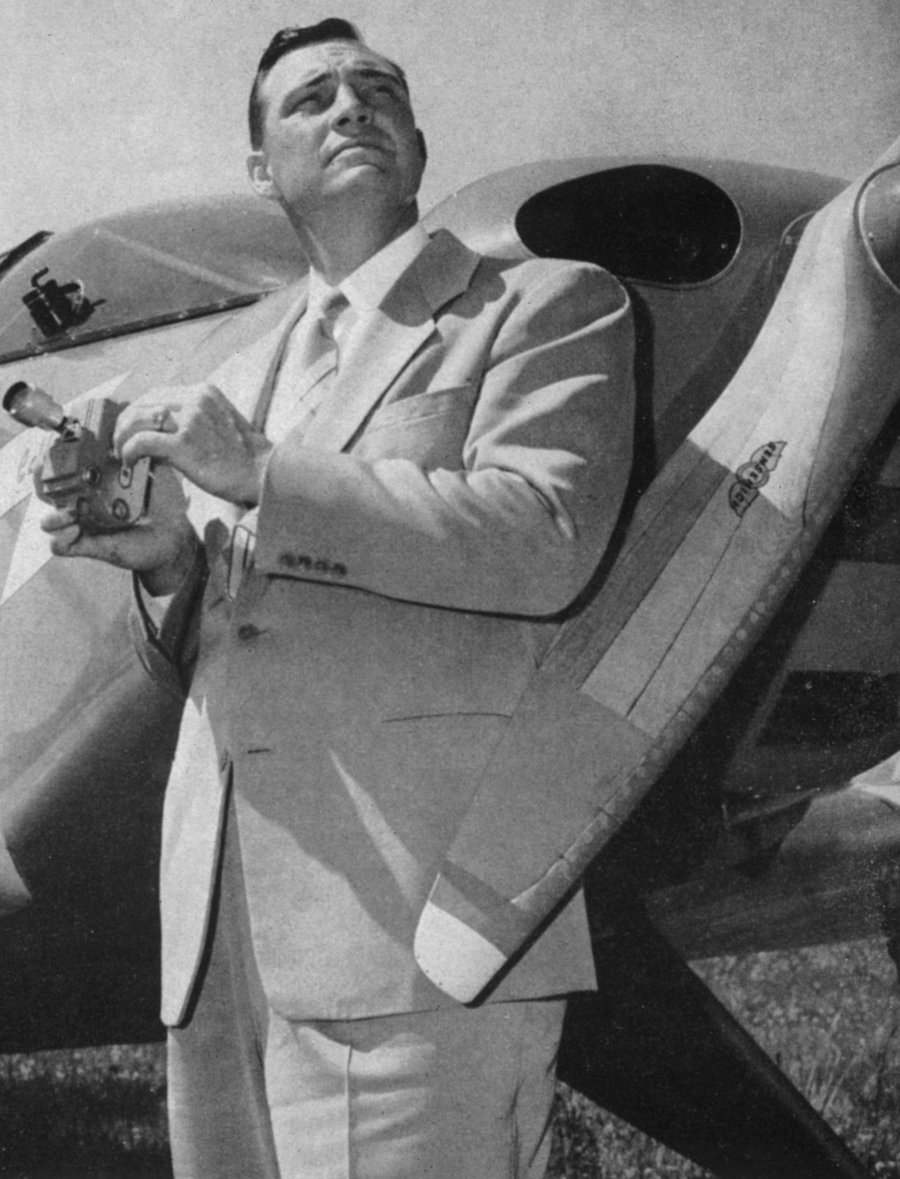
Three days before Kenneth Arnold coined the phrase flying saucer, a harbor patrolman named Harold Dahl said six donut shaped craft circled his boat over Puget Sound and rained hot metal that burned his son and killed his dog. What followed gave the world its first Man in Black, two dead Army intelligence officers in a burning bomber, and an FBI file that closed the case as a hoax without ever quite making the hoax stick.
What did witnesses see at Maury Island?
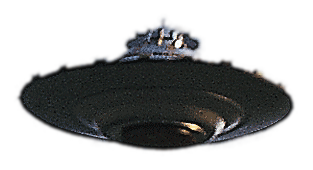
On the overcast morning of 21 June 1947, Harold A. Dahl was running a salvage boat in the waters off Maury Island, a wooded spur of land joined to Vashon Island in Puget Sound, southwest of Tacoma. Dahl said he was working the eastern bay with his teenage son and the family dog aboard when six large, doughnut or torus shaped craft appeared overhead, each with a hollow center and what looked like portholes around the rim. He estimated they were roughly a hundred feet across.
Five of the objects, Dahl said, circled slowly around a sixth that had dropped to around five hundred feet above the water, as if the center craft were in trouble and the others were tending to it. After several minutes the wounded craft shuddered and began ejecting debris. First came a shower of light material that Dahl, in Kenneth Arnold's later account, likened to thousands of newspapers. Then came a heavier fall of hot, dark, lava like slag and lighter flecks of white metal.
The falling material struck Dahl's boat. He said it killed the dog, burned his son Charles on the arm, cracked the wheelhouse and broke a window. Dahl beached the boat, gathered up samples of both the dark slag and the white metal, and photographed the objects before they sped away over the open water. By his telling, the encounter lasted only minutes but left physical wreckage scattered across his deck and the beach.
What makes Maury Island chronologically strange is that it predates the sighting usually credited with starting the modern UFO era. Kenneth Arnold's famous run of nine objects near Mount Rainier happened on 24 June 1947, three days after Dahl's claimed date. Yet Dahl reportedly did not go public until later, after Arnold's sighting had made saucers front page news, which is one of the threads skeptics pull hardest on.
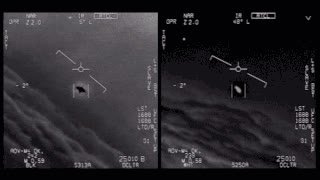
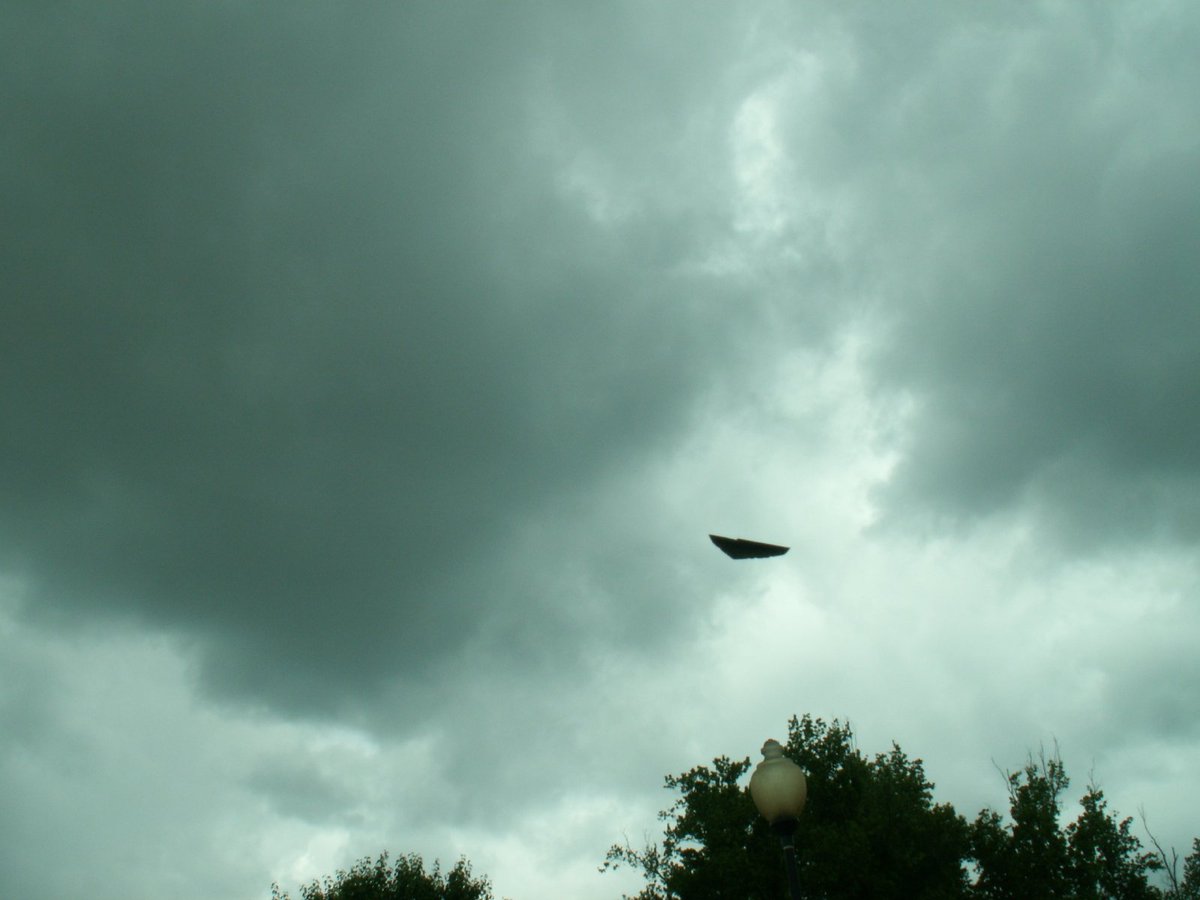
More footage and images of this sighting

What is the official explanation?
The official record on Maury Island is split between two agencies and never fully reconciled. The U.S. Army Air Forces and the FBI both looked at it in the summer of 1947, and the surviving paperwork tells a messier story than the one word verdict that later stuck.
The Army Air Forces sent two intelligence officers from Hamilton Field in California, First Lieutenant Frank M. Brown and Captain William L. Davidson, to interview the witnesses and collect samples. After meeting Arnold and the witnesses in Tacoma on 31 July 1947, the two officers loaded a box of the fragments aboard a B-25 Mitchell bomber to fly the material back to California. In the early hours of 1 August 1947, the aircraft caught fire and crashed near Kelso, Washington. Brown and Davidson died; two other men aboard parachuted to safety. The slag they were carrying was destroyed or lost in the wreck.
The FBI's involvement was driven from the top. Director J. Edgar Hoover took a personal interest, and special agents in the Seattle and Tacoma field offices worked the case and filed lengthy memos through August 1947. The conventional summary is that the Bureau concluded Dahl and Fred Crisman had admitted the whole thing was a hoax and that the fragments were ordinary furnace slag, of the kind produced by a Tacoma area smelter.
The documents complicate that summary. A teletype tied to the investigation records Hoover's office advising that Dahl did not admit to Brown that his story was a hoax, but only stated that if questioned by the authorities he was going to say it was a hoax because he did not want any further trouble over the matter. In other words, the file describes a man planning to call his own story false to be left alone, which is not the same as a man confessing he made it up. The FBI ultimately declined to keep the case open, treating it as a hoax for Bureau purposes, while the Air Force filed it among the early explained cases.
What did the witnesses think it was?
The two central witnesses were Harold Dahl and his salvage boss, Fred Lee Crisman, and almost everything strange about the case grows out of who they were and how their stories shifted.
Dahl said that the morning after the sighting, before he had told the press anything, a stranger arrived at his home. The man wore a black suit and, in some accounts, drove a new black Buick. He took Dahl to breakfast, described the events aboard the boat in precise detail that no outsider should have known, and warned him that if he loved his family he would say nothing about what he had seen. This visit is widely cited as the first documented appearance of the Man in Black figure that later swelled into an entire mythology and a film franchise. The trope, in its original form, is here: a mundane looking official who knows too much and counsels silence.
Crisman was the more colorful and the more slippery of the two. He told Arnold he had gone out to Maury Island himself to inspect the site and had seen one of the craft again. He handled the samples, talked to the press, and generally pushed the story forward even as Dahl tried to pull back. Crisman would resurface decades later in one of the odder footnotes in American conspiracy history: in 1968, New Orleans District Attorney Jim Garrison subpoenaed him in connection with the Clay Shaw trial in the John F. Kennedy assassination case. Nothing came of it, but it cemented Crisman's reputation as a man who orbited strange events.
Kenneth Arnold himself became a witness of sorts. Ray Palmer, the editor behind Amazing Stories and soon Fate magazine, wrote to Arnold offering two hundred dollars, wired the next morning, to investigate the Tacoma claims. Arnold flew to Tacoma, brought in United Airlines captain E. J. Smith, examined the fragments, and grew deeply uneasy. He noted the white metal had square and long rivets unlike any aircraft hardware he knew, but he also sensed the witnesses were holding things back. Dahl warned him that this flying saucer business was the most complicated thing he had ever gotten mixed up in. Arnold later wrote that the whole Tacoma episode left him more rattled than his own Mount Rainier sighting, and his and Palmer's 1952 book The Coming of the Saucers remains the fullest firsthand narrative.
Is the Maury Island Incident (1947) real? The two-pass assessment
Read coldly, Maury Island has every mark of a hoax that grew legs. Pass one, the mundane reading, is strong. The fragments that anyone actually examined were consistent with furnace slag from a Tacoma area smelter, common industrial waste, not exotic alloy. Dahl and Crisman were salvage operators with a financial motive once Palmer's money and magazine interest entered the picture, and Crisman in particular had a lifelong habit of inserting himself into sensational stories. Dahl's claimed date of 21 June sits awkwardly before Arnold's 24 June sighting, yet he stayed quiet until saucers were national news, which fits a story assembled after the fact rather than reported in the moment. The FBI, the agency with the least to gain from a coverup, treated it as a hoax. The simplest explanation is that two men spun a tale, it got bigger than they intended, and they tried to back out.
Pass two, the part that keeps the case from closing, is what the hoax verdict has to explain away. The cleanest hoax does not usually end with two Army intelligence officers dead. Brown and Davidson really did die when their B-25 burned and crashed near Kelso on 1 August 1947 while carrying the samples, and the cause of that fire has never satisfied everyone. The FBI's own paperwork does not record a clean confession. The distinction in the Hoover teletype, that Dahl did not admit a hoax but only said he would call it one if questioned, is the hinge of the whole case, and it points to fear or convenience as easily as to fabrication. The Man in Black visit, whatever it was, was reported before the story went public. None of this proves a craft fell over Puget Sound. It does mean the debunk is itself a claim built on incomplete and partly contradictory documents.
That is why this case sits at Disputed rather than at either pole. A confident Discredited verdict would require the confession that the file does not actually contain, and a confident endorsement would require physical evidence that the Kelso crash conveniently erased. Researcher Steve Edmiston's 2022 reassessment, working from the released FBI memos and the Army Air Forces mission report, makes the fair point that the hoax label was stamped on a file that was sealed for half a century and that the documents read more like an unresolved mess than a solved case. Weigh the hoax evidence honestly and it is substantial. Weigh the surviving complications honestly and they are real. The truthful tier is Disputed: a story that probably began as a fabrication, tangled itself in two genuine deaths and a contradictory paper trail, and never produced the clean ending either side wants.
Sources
- archive.org/details/TheComingOfTheSaucers
- www.muckrock.com/foi/united-states-of-america-10/fred-crisman-24634/
- mauryislandincident.com/why-an-fbi-special-agents-aug-19-1947-memo-to-j-edgar-hoover-is-so-important-to-the-maury-island-incident/
- www.vashonbeachcomber.com/2022/06/22/time-again-75th-anniversary-of-the-maury-island-incident/
- medium.com/@steveedmistonQ45/when-is-a-hoax-not-a-hoax-a-75th-anniversary-reassessment-of-the-maury-island-incident-4a70d83a95b8
- www.historylink.org/File/2068
More cases from this region: UFO sightings in United States