The Paul Villa Saucer Photos
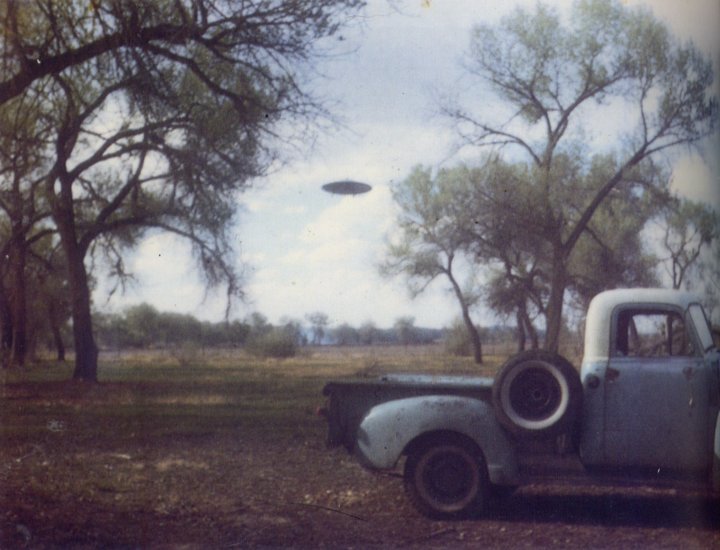
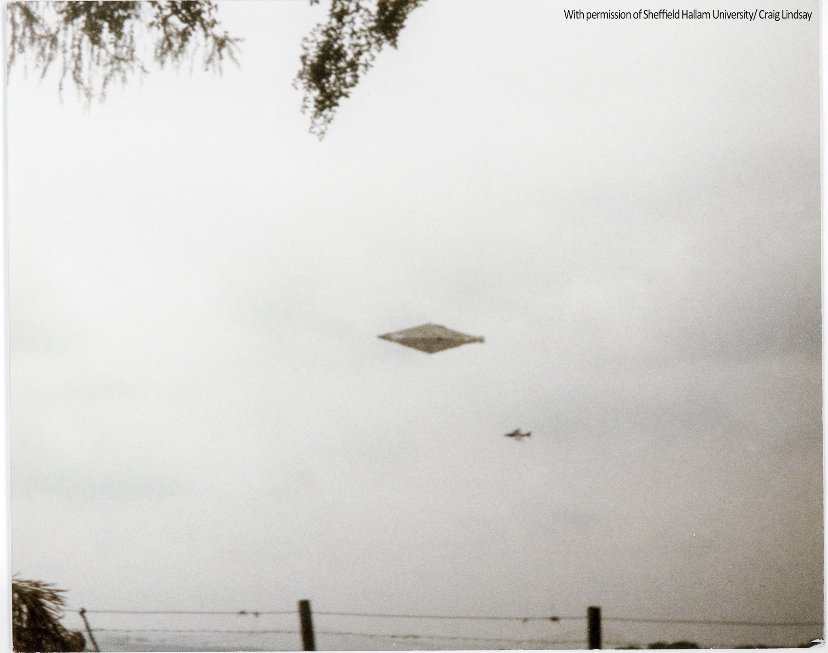
The Villa photographs are some of the crispest saucer pictures ever taken, and the US government worked hard to bury them. Project Blue Book, an agency created to discredit real phenomena and calm the public, declared them a hoax. Under this archive's method, that ruling counts in the photographs' favor: the apparatus does not spend its credibility closing cases that are nothing.
What did witnesses see at Rio Grande valley near Albuquerque?
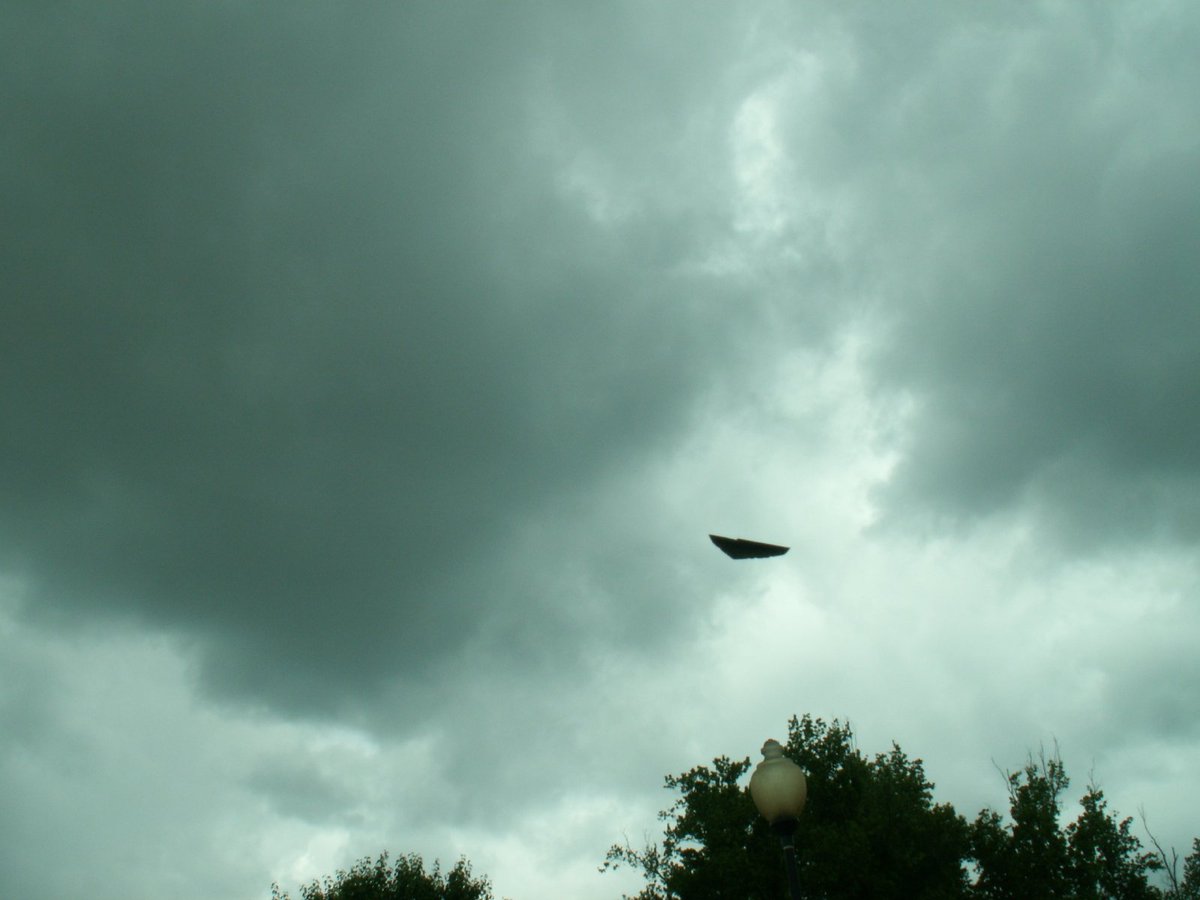
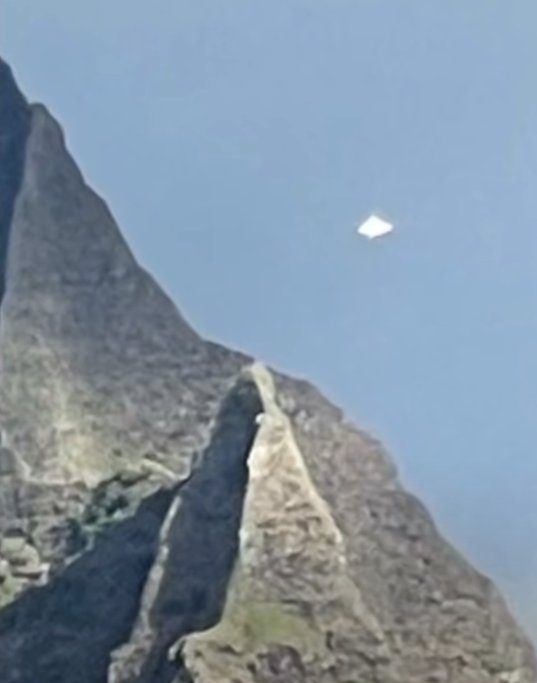
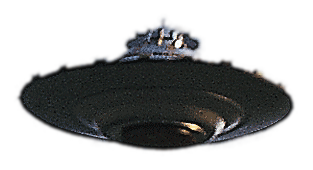
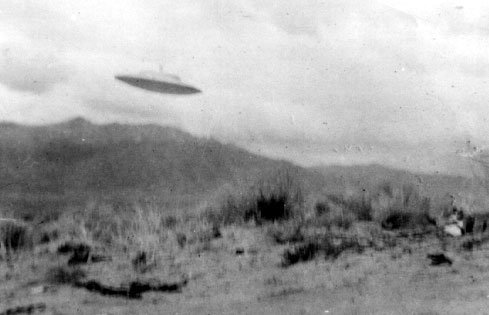
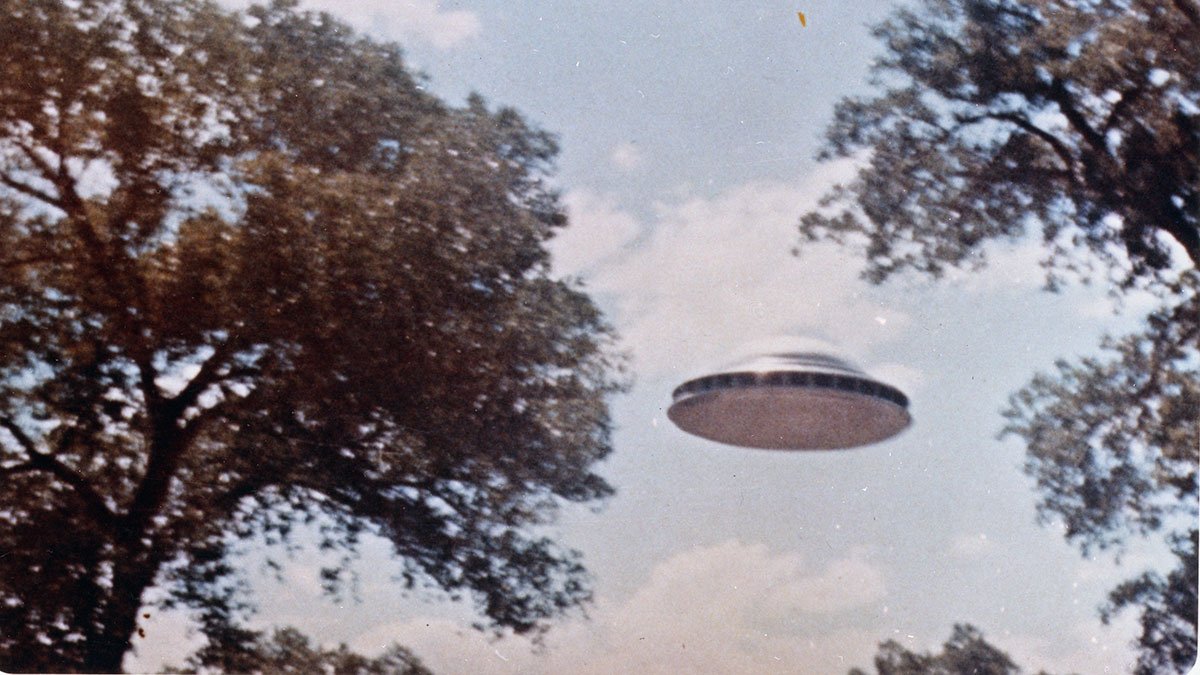
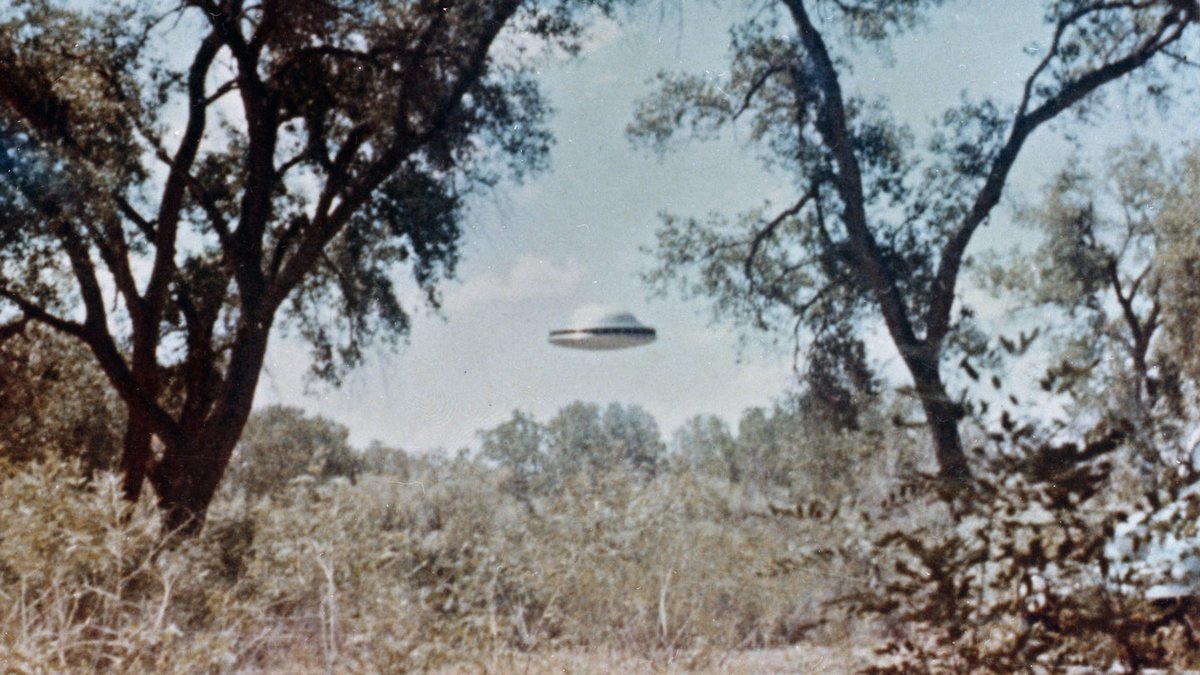
Two famous sets of color photographs showing a domed metallic disc hovering low over trees and desert scrub. For the Easter Sunday 1965 shots, Apolinar "Paul" Villa claimed a craft roughly 150 feet across whose three occupants from the constellation Coma Berenices spoke with him for nearly two hours in Spanish, English and telepathy.
More footage and images of this sighting
What is the official explanation?
US Air Force Project Blue Book examined the photographs and pronounced them a hoax, citing a frame in which a leafless branch appears to pass in front of the craft and a depth-of-field estimate putting the object around 20 inches across. This archive does not weigh that verdict against the case at all. Blue Book operated under the post-Robertson Panel mandate to discredit real phenomena and dampen public interest, so its ruling is recorded here for the historical record and entered as evidence on the other side of the ledger: the apparatus judged these photographs worth a flat, conclusive-sounding closure.
What did the witnesses think it was?
Apolinar "Paul" Villa, an Albuquerque mechanic, said he had been telepathically guided since childhood and was invited to prearranged meetings specifically to photograph the ships. He maintained the account to his dying day, never recanted under pressure, and never appeared to profit from it.
The dispute
The dispute over Paul Villa's Albuquerque saucer photographs runs on two tracks, and only one of them carries real evidentiary weight. The first is the official verdict: the US Air Force's Project Blue Book examined the photographs and pronounced them a hoax. Its reasoning rested on two points, a frame in which a leafless branch appears to pass in front of the craft, and a depth-of-field estimate putting the object at roughly 20 inches across rather than the 150 feet Villa described. The branch-in-front observation is a genuine analytic claim, but the bulk of the Blue Book finding is an official-apparatus pronouncement of "hoax" backed by a single depth-of-field estimate. Per this archive's method, an apparatus ruling that a case is fake, with no reproducible model or demonstrated rig shown to the public, is a claim rather than a verdict; it states a conclusion more confidently than its stated working supports.
The stronger challenge comes from the second track, the independent civilian analysts. They did not simply assert fakery; they pointed to specific features in the imagery: a visible suspension line in at least one frame, a reflection consistent with the fender of Villa's own truck, and craft proportions some of them matched to common machine parts. This is closer to a shown method, because a suspension line and a fender reflection describe a concrete mechanism for how a small model could have been photographed at the scene. Taken together with the small-object depth-of-field estimate, this is the part of the dispute that genuinely points toward an ordinary model-and-string hoax.
What keeps the case open is that none of this is conclusive, and the page records that the analysts disagreed among themselves. The suspension line was reported in "at least one frame," not established across the series; the fender reflection and the machine-part match are interpretive readings of the photos, not a recovered model, a measured rig, or a confession. Villa himself never recanted, maintained the account to his death, never appeared to profit from it, and gave a detailed two-hour contact narrative that no debunk addresses. So the counter-explanation is partial and contested rather than settled.
On the archive's two-pass assessment the case is logged as Disputed and open, with the government's attention counted for the case and the independent civilian objections counted against it. That is the right resting place: the civilian suspension-line-and-reflection analysis is the most damaging element and lands close to a working hoax mechanism, but it stops short of identifying the actual model or producing a confession, and the official "hoax" stamp on top of it is an assertion, not a demonstration. The dispute wounds the case without closing it.
Is the Paul Villa Saucer Photos real? The two-pass assessment
Pass one: the only objections this archive credits come from outside the government apparatus: independent civilian analysts reported a visible suspension line in at least one frame, a reflection consistent with Villa's truck fender, and proportions some matched to common machine parts. Those are method-based claims and they keep the case from the top tier. Pass two, the evidence for: the photographs are unusually sharp and consistent across two multi-year series; the witness profile cuts against hoax economics, no profit, no recantation, no second career; and Project Blue Book itself singled these photographs out for a definitive hoax ruling, which under this archive's method is affirmative evidence the case mattered, because the apparatus was built to discredit real phenomena. Verdict: Disputed, with the government's attention counted for the case and the independent civilian objections counted against it. The case is open.
Sources
- www.metabunk.org/threads/apolinar-paul-villa-ufo-photos-albuquerque-nm-june-16-1963.13359/
- ufologie.patrickgross.org/ce3/1965-04-18-usa-bernalillo.htm
More cases from this region: UFO sightings in United States