The Diamond Over the Pantex Nuclear Weapons Plant
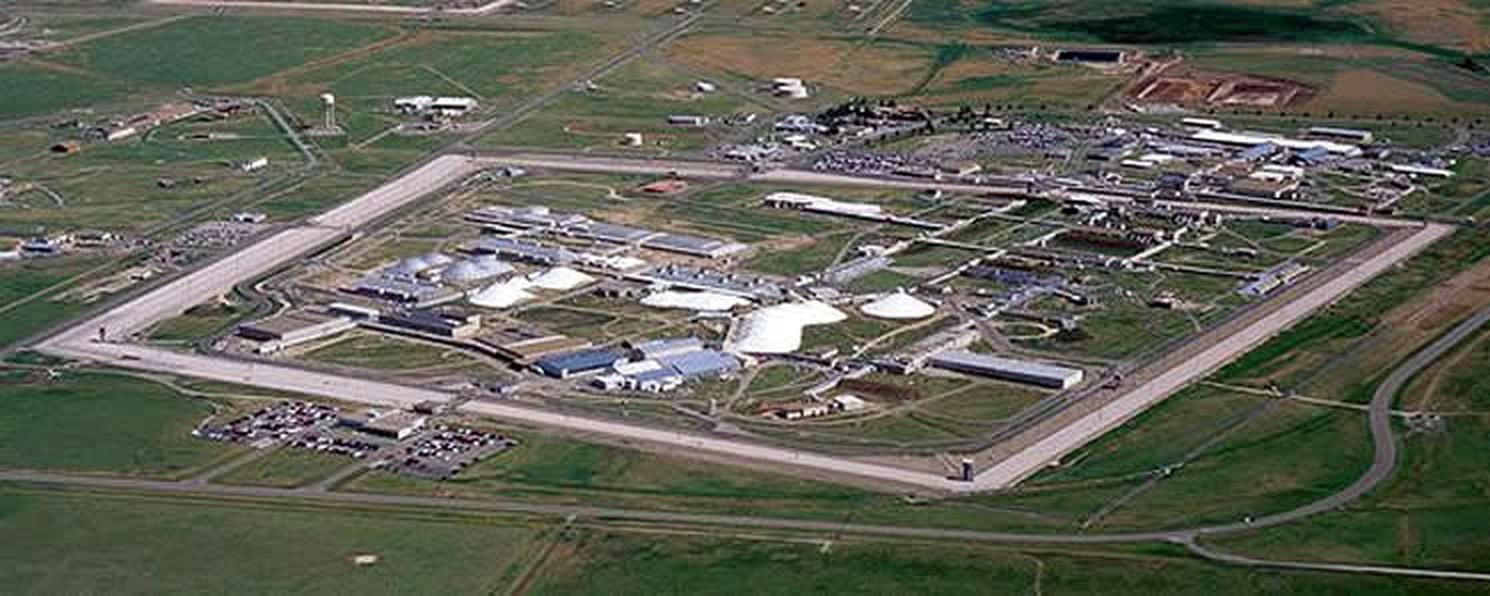
On 1 September 2015 a silent, slow moving, diamond shaped object drifted into the restricted airspace above the Pantex Plant, the primary United States facility for assembling, disassembling, and storing nuclear weapons and plutonium pits, sited in Carson County northeast of Amarillo, Texas. Ground surveillance radar picked up the unknown object near the plant, protective force personnel responded under the approved plan for unmanned aerial systems, and two security officers pursued it by vehicle as the site went to a temporary lockdown. Through binoculars they could identify no propulsion system, and they reported that the object seemed to increase speed and change direction as it was followed. The Department of Energy file on the incident was compiled with video and written statements and provided to the FBI. It surfaced publicly nearly eleven years later, on 10 July 2026, in the fourth tranche of the Department of War's PURSUE release, where it sits recorded and unexplained.
What did witnesses see at Pantex Plant?
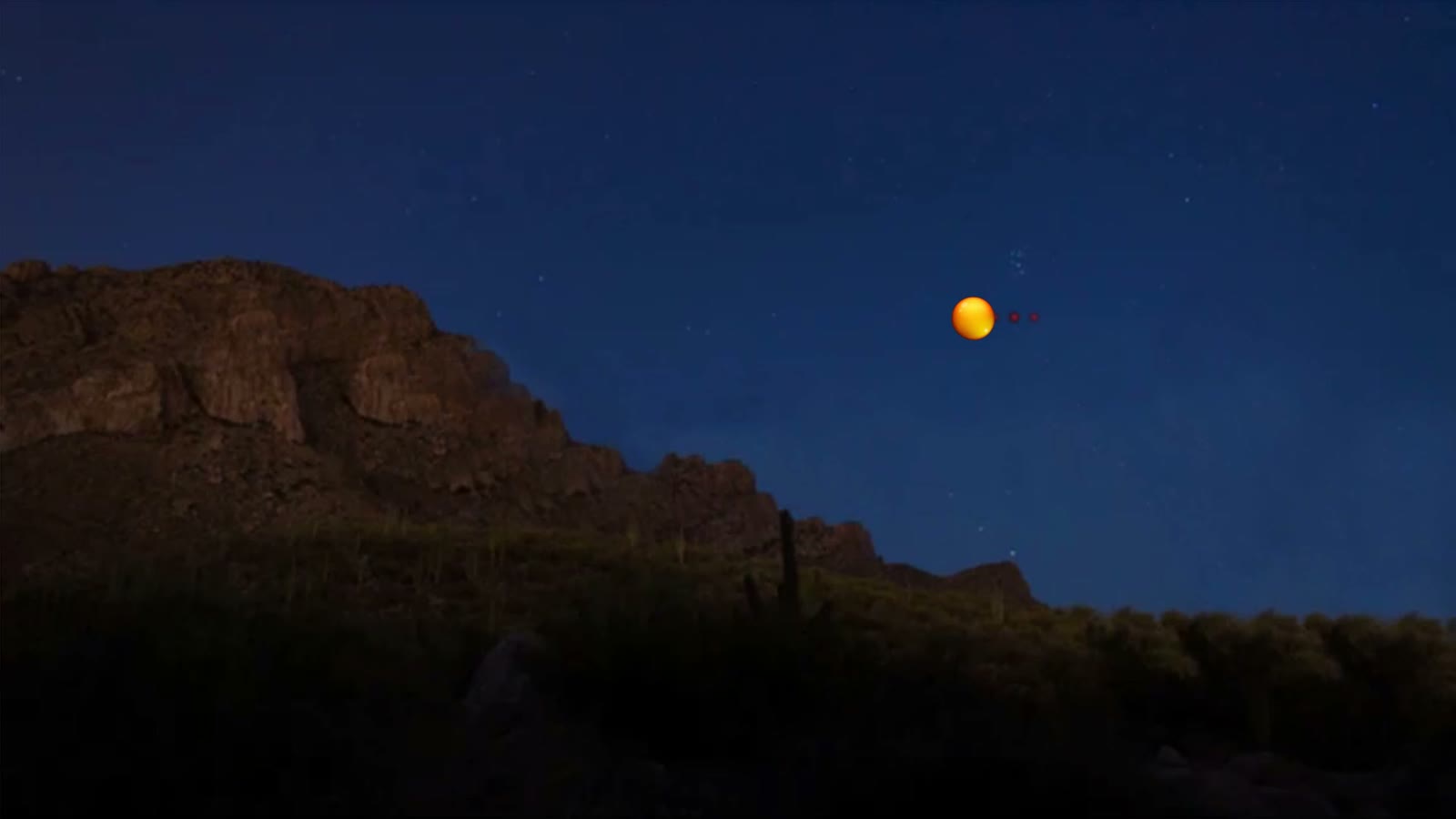
The object was described as a diamond shape that was more rounded at the top, roughly four feet tall and two feet wide at the base. Witness accounts differed on its color. Some described it as black, while others reported silver, red, and blue coloring, a divergence typical of a small object seen at distance and against changing sky. What the accounts agreed on was its behavior. It moved silently, with no sound and no visible propulsion, at an estimated ten to fifteen miles per hour, sometimes appearing to increase speed and change direction.
The detection did not begin with the naked eye. The plant's ground surveillance radar registered an unknown object near the facility, which triggered the protective force response under the site's established procedure for unmanned aerial systems. Security officers then acquired the object visually and gave chase in their vehicles. They were unable to close the distance. When they stopped and examined it through binoculars, they could not identify any propulsion system that would account for how it stayed aloft and maneuvered.
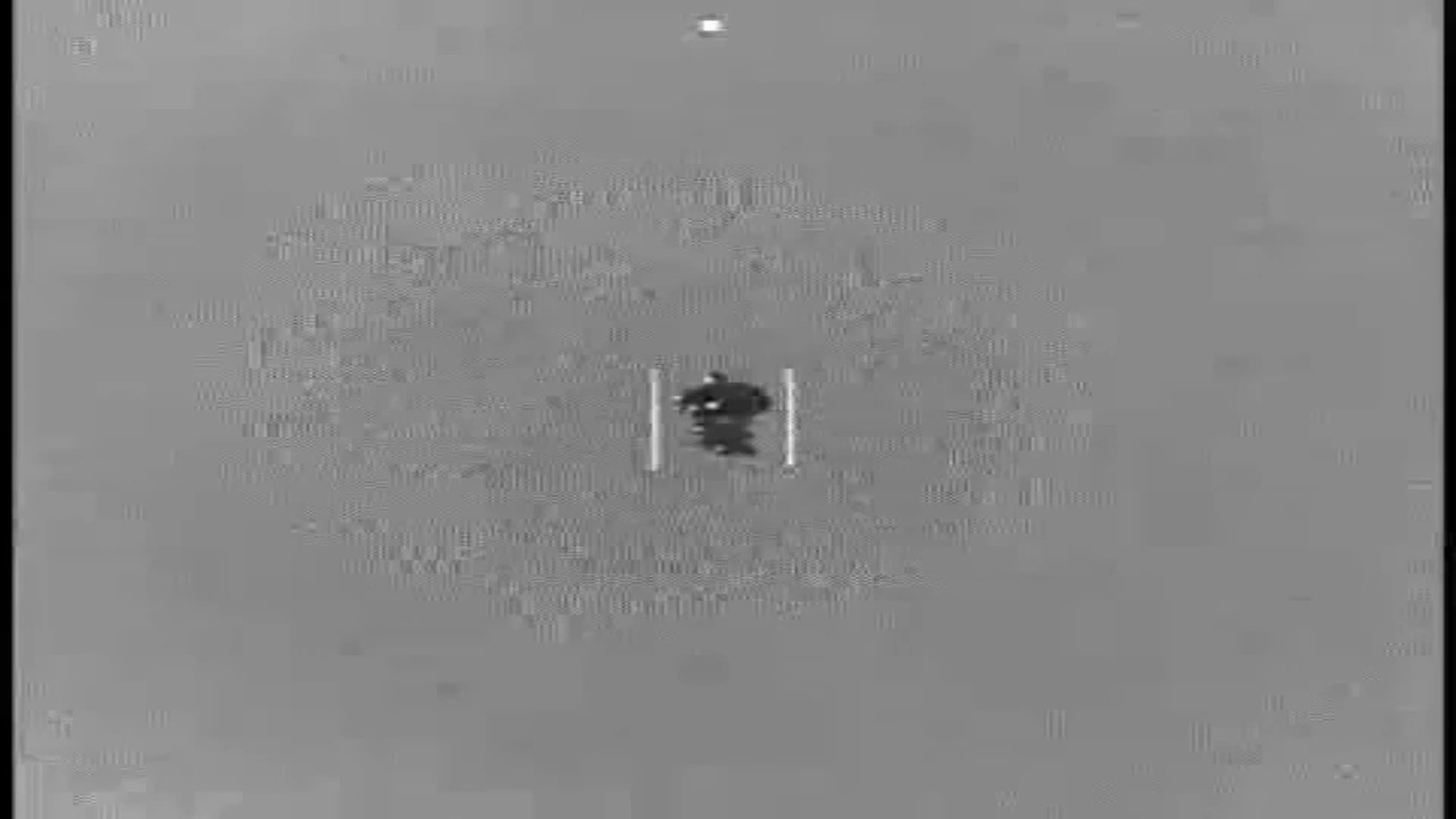
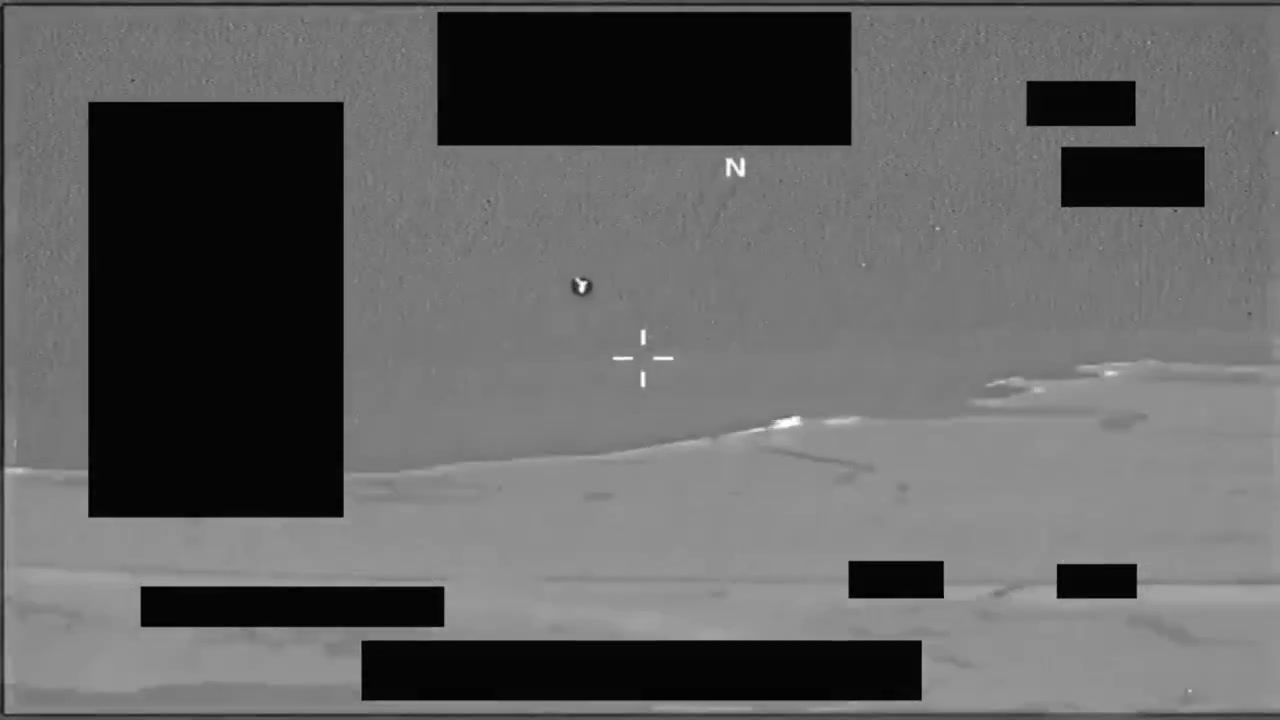
The object was tracked roughly one hundred to two hundred feet above the ground for about three to five minutes and followed north of the plant. Imagery was captured by the ground surveillance radar tower camera, and that video was later reviewed by Sandia National Laboratories, whose personnel help secure and analyze activity around the site. Investigators noted that the object never approached the plant's sensitive assets, and the encounter was logged as non threatening on that basis rather than as identified.
What is the official explanation?
The record is a Department of Energy incident file, assembled from the ground surveillance radar detection, the security officers' written statements, and the camera video that Sandia National Laboratories reviewed. According to the released material, the video and written statements were provided to the FBI. The file documents what was detected, pursued, and recorded, and it offers no identification of the object and no explanation for its silent flight, its lack of any visible propulsion, or its apparent ability to change speed and direction while being chased. It classifies the event as non threatening only in the narrow sense that the object stayed away from sensitive assets, not in the sense that anyone determined what it was.
The case reached the public on 10 July 2026 as part of the fourth release under the Presidential Unsealing and Reporting System for UAP Encounters, or PURSUE, published by the Department of War at war.gov. That fourth tranche added roughly forty items to the government's growing UAP archive, drawing on the Pentagon, NASA, the CIA, the FBI, and the Department of Energy. The Pantex file was singled out across coverage as one of the release's most detailed and significant documents precisely because of where it happened, at one of the most secure nuclear weapons sites in the country.
What did the witnesses think it was?
The witnesses were Pantex protective force security officers, trained personnel whose job is to identify and respond to intrusions at a nuclear weapons facility. They did not report a distant light or a fleeting blur. They had a radar track, a sustained visual pursuit, binocular observation, and camera footage, and still came away unable to say what propelled the object or what it was. That combination of instrumented detection and trained direct observation is what gives the account weight.
The significance is inseparable from the location. Pantex is the primary United States site for nuclear weapons assembly and disassembly and for plutonium pit storage, operated for the National Nuclear Security Administration. An unidentified object loitering in its airspace and prompting a lockdown is a security event, not merely a curiosity. It also fits a long and heavily documented pattern in the UAP record of unexplained objects appearing over nuclear weapons and nuclear power installations, from the Cold War era intrusions at missile bases to more recent reporting. Whatever the Pantex object was, its presence over a plutonium storage and weapons facility is the reason the file was retained, forwarded to the FBI, and eventually released.
Is the Diamond Over the Pantex Nuclear Weapons Plant real? The two-pass assessment
The mundane candidates deserve a fair first pass. The reported size, roughly four feet by two feet, and the slow ten to fifteen mile per hour drift are consistent with a small drone or quadcopter, and Pantex's own response ran under its approved plan for unmanned aerial systems, which shows the site treated a UAS as the leading hypothesis in the moment. A hobbyist or surveillance drone would explain the low altitude, the controlled changes of speed and direction, and the vehicle pursuit that could not close the distance. A mylar or foil balloon is a second candidate for a silent, slow, oddly reflective object whose color witnesses could not agree on. But the balloon reading strains against the details. Balloons drift with the wind and do not purposefully increase speed and change direction against a pursuit, and a stray balloon is an awkward fit for a discrete radar track that triggered a protective force response.
What resists the mundane readings is the sum of the observations rather than any single one. Trained security officers watched the object through binoculars at close enough range to look for a propulsion system and found none, no rotor wash signature they could identify, no motor noise, nothing to explain sustained silent flight and maneuver. The object was on radar, was tracked on camera for three to five minutes, and appeared to respond to being followed. No drone or balloon was ever recovered or identified, and the government file records the encounter without an explanation to this day. Weighed honestly, this is neither proven exotic nor comfortably solved. It is a well witnessed, instrumented, unresolved intrusion over one of the nation's most sensitive nuclear sites, which is exactly why it belongs in the Unknown tier.
Sources
- www.war.gov/News/Releases/Release/Article/4539898/
- avi-loeb.medium.com/highlights-from-the-fourth-uap-data-release-by-the-u-s-government-105a9b2561c7
- interestingengineering.com/culture/pentagon-ufo-files-texas-nuclear-plant
- www.newsnationnow.com/space/ufo/diamond-shaped-ufo-nuclear-weapons-plant/
- en.protothema.gr/2026/07/11/pentagon-releases-fourth-batch-of-declassified-ufo-files-including-texas-nuclear-plant-sighting/
More cases from this region: UFO sightings in United States