The Presque Isle Beach Landing
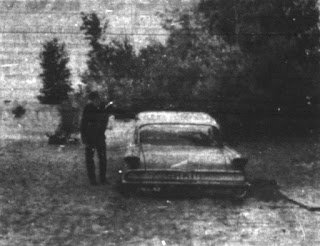
On the evening of Sunday 31 July 1966, six people from the Jamestown, New York area drove out onto the sand at Beach 6 on the Lake Erie end of Presque Isle State Park near Erie, Pennsylvania. This case file covers what witnesses reported, the official narrative, and a two-pass assessment with its evidence tier.
What did witnesses see at Beach 6?
On the evening of Sunday 31 July 1966, six people from the Jamestown, New York area drove out onto the sand at Beach 6 on the Lake Erie end of Presque Isle State Park near Erie, Pennsylvania. In the car were Betty Jean Klem, 16, of Jamestown; her boyfriend Douglas Tibbetts, around 16 to 18, of nearby Greenhurst; Gerald LaBelle, in his twenties; Anita Haifley, in her early twenties; and Haifley's two small children. Around 7:30 in the evening the car bogged down in soft sand and could not be freed. LaBelle set off on foot through the woods to find help, leaving Klem, Tibbetts, Haifley and the children stranded as it grew dark.
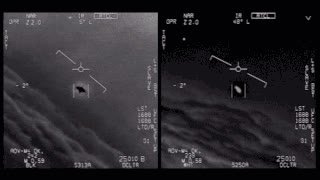
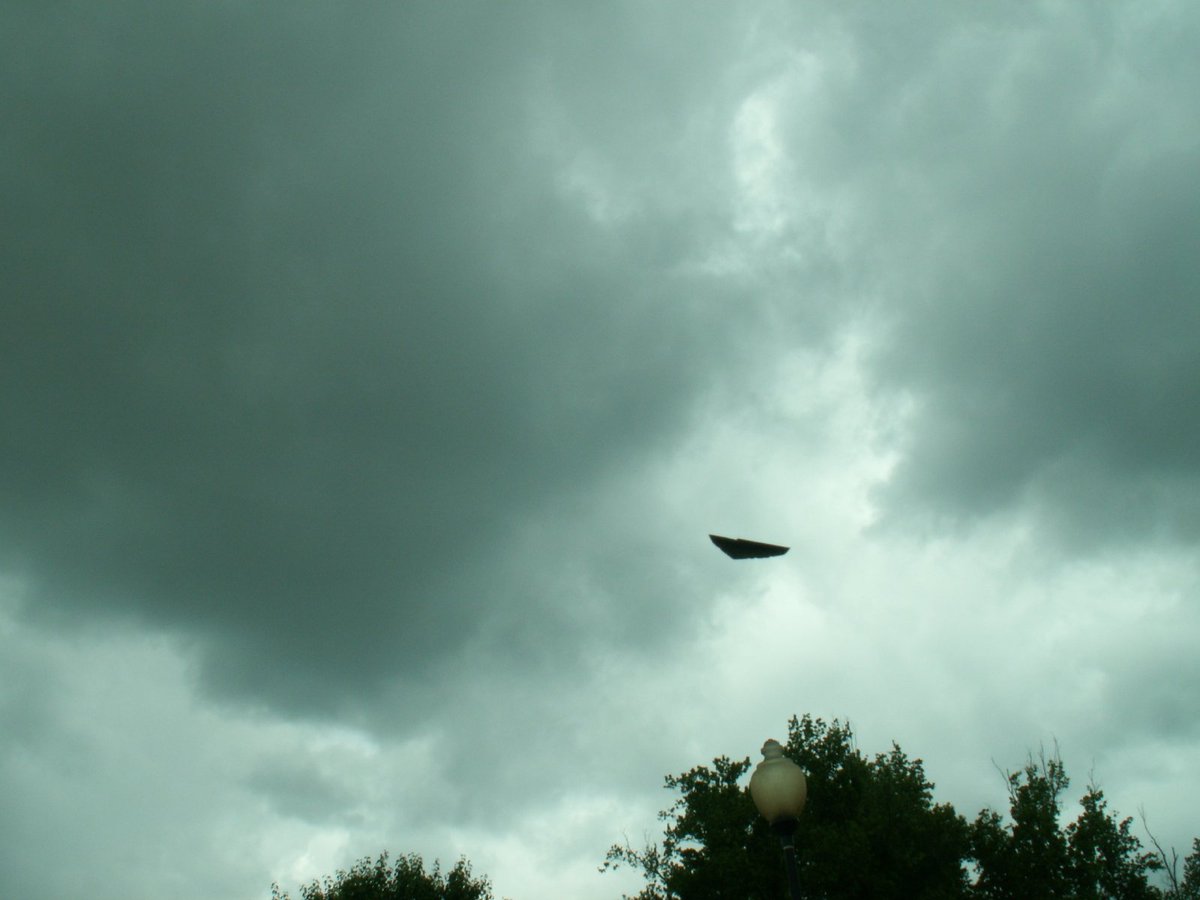
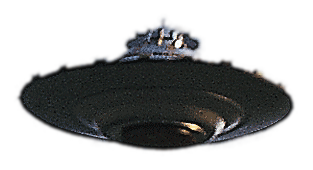
Some time after 9 p.m. the people in the car saw a light in the sky. In her account printed in the Erie Morning News on 1 August 1966, Klem said: "We saw a star move. It got brighter. It would move fast, then dim. You could see it come down. It was metallic, sort of silvery. It landed between two trees. It came straight down. The car vibrated." The witnesses described the object variously as square, hexagonal, or mushroom shaped, with lit or reflecting edges and, when it was down, a circle of spotlights at the top. It came down erratically, tumbling from one side to the other, hung a few feet above the beach, then settled heavily into the sand a few hundred feet to a few hundred yards away, behind a screen of trees. Orange and yellow beams of light played out into the surrounding woods. The car shook and vibrated as the thing came down.
Then, the witnesses said, a tall dark figure came out of the tree line and moved awkwardly toward the car. Klem described it as a featureless, gorilla shaped form roughly six feet tall, not human and not any animal she recognized. It circled the stranded car, and something was heard moving on the roof. Fresh scratches were later found on the vehicle. Klem leaned on the horn and flashed the lights; the figure retreated clumsily into the trees, and the lighted object lifted off and shot up into the night sky at high speed. Park police officers, summoned after LaBelle reached help, arrived around this time and would not let the badly shaken group try to dig the car out until daylight. Klem was described in the press as left hysterical by the encounter. The same night, between roughly 8 p.m. and midnight, at least eight other people around the Erie area reported strange lights, and in the early hours two patrolmen, William Rutledge of Lawrence Park and Donald Peck of Wesleyville, said they watched a maneuvering light for a long stretch before dawn.
What is the official explanation?
The morning after, on 1 August 1966, state police, Erie County Civil Defense workers and United States Air Force personnel went to Beach 6. They found a set of impressions in the sand a few hundred yards from where the car had been stuck. The Erie Daily Times of 6 August 1966 reported that Major William S. Hall of Youngstown documented the strange imprints and made plaster casts of some of the tracks. Officers measured two roughly diamond shaped impressions about 18 inches across and six to eight inches deep, set some 10 to 12 feet apart, a second set of three impressions in a triangular arrangement, and a line of conical tracks roughly eight to nine inches wide and five to seven inches deep spaced several feet apart, running toward the car. Investigators noted these read as marks pressed by a heavy object rather than as footprints. A sample of damp, sticky sand from the site was taken; a chemist reportedly identified silicon in it. Erie County Civil Defense workers ran a radiation test on the ground at the landing spot and, as the Erie Morning News reported on 2 August 1966, found no sign of radiation. The headline that day was "Air Force Launches Probe of Erie UFO."
Five members of the National Investigations Committee on Aerial Phenomena traveled to Erie and worked the site. The Erie Morning News of 3 August 1966, in a story by Dick Ramsey, named the NICAP team as Richard Hobbs, Joseph McGuire, James Reed, Jeffery Gow and James Sipprell. The fresh scratches on the car roof were confirmed by officers as not having been there earlier.
The matter went into Project Blue Book, the Air Force UFO program, as case number 10798. In the Blue Book file the aerial object is carried as unidentified. The supporting record, declassified and held at the National Archives in the Blue Book collection and now mirrored in John Greenewald's Black Vault document archive at documents2.theblackvault.com (PresqueIslandStatePark-Pennsylvania-07-31-1966-main.pdf, with a separate photographs file), shows the Air Force treating the lights as the unexplained core of the case while separating out the ground traces and the creature. Project Blue Book judged the sand impressions to be unrelated to the sighting and the figure to be a probable animal. John Keel, who investigated the case directly, wrote that the Air Force went further and dismissed the sticky chemical residue at the site as animal urine and the figure as local wildlife. The aerial object itself was never explained, and case 10798 stands in the Blue Book record as unsolved.
What did the witnesses think it was?
The witnesses were emphatic that they had seen a structured craft come down and a figure approach them, not a misperceived natural light. Klem, the most quoted of the group, told the Erie Morning News, "The car vibrated. I know we saw it," and insisted the figure she saw was neither a person nor any animal she could name. She could not make out its legs clearly, which is part of why later accounts describe it as gliding or moving stiffly. Tibbetts, sitting beside her, described the object as triangular and "shaped like a cake," hexagonal with a hollowed center, and said it turned brilliant red as it settled while the car shook. Haifley saw the figure too but was so frightened she would not speak about it further afterward.
The case drew two of the period's serious independent investigators. The National Investigations Committee on Aerial Phenomena, the leading civilian UFO body of the 1960s, sent a five man team to the beach within days. John Keel, then one of the most active field investigators in the country, went to Erie, interviewed the witnesses and examined the site, and published his findings in the November to December 1966 issue of the British journal Flying Saucer Review under the title "New Landing and Creature Reports," with a parallel account appearing in the Aerial Phenomena Research Organization's APRO Bulletin for July to August 1966. Keel treated the witnesses as credible, took the physical traces seriously, and recorded the Air Force's dismissals with open skepticism.
The local authorities lent the case weight rather than waving it off. Park police corroborated the group's fright and the fresh scratches on the car, refused to let them move the vehicle in the dark, and an Air Force officer personally cast the sand impressions. Decades on, Pennsylvania researcher Rick Fisher revisited the file and calculated that the force needed to leave the deeper impressions would have required a weight on the order of 700 to 1,000 pounds, a figure hard to reconcile with the light, drifting object a later skeptic would propose.
The dispute
The only counter-explanation on record is a hot air balloon. Around 1996, a local truck driver named Kim Faulkner told Erie journalist Brian Sheridan that he had ordered a nine foot novelty hot air balloon advertised in Boys' Life magazine and that one of these balloons could explain the lights people saw over Presque Isle on 31 July 1966. Sheridan, who looked into the case, said Faulkner's account "made the most sense of anyone we talked with at the time," and the balloon idea has circulated ever since as the standard skeptical answer.
This is a weak and partial counter-explanation, and it is why the case sits at Barely Disputed rather than anything firmer. Faulkner came forward roughly thirty years after the event, offered no physical proof, no date matched to a specific launch, and no balloon, and his claim is uncorroborated by any second party. A drifting paper and candle balloon also does not match the central testimony: several witnesses in one car described a structured object with lit edges and a ring of spotlights that descended in a controlled, tumbling motion, settled heavily enough to make the car vibrate, threw directed beams of light into the trees, and then shot back up into the sky at speed. A novelty balloon does none of that.
The balloon claim is also silent on the rest of the evidence. It does not address the deep, patterned impressions in the sand that an Air Force major, William S. Hall of Youngstown, photographed and cast in plaster, which researcher Rick Fisher later calculated would have needed a weight on the order of 700 to 1,000 pounds to produce. It does not address the conical tracks running toward the car, the sticky residue a chemist reportedly tied to silicon, the fresh scratches confirmed on the car roof, or the roughly six foot dark figure that two adults said circled the vehicle. Contemporary wind direction is a further problem: a balloon released from Faulkner's stated location would have been carried away from Beach 6, not onto it.
Set against the balloon claim is the documented record. The aerial object is carried as unidentified in Project Blue Book case 10798, classified unsolved. The Air Force did try to defuse the trace evidence, calling the impressions unrelated, the figure a probable animal and, per John Keel, the residue animal urine, but those are official assertions offered without a shown method, which under our standard count as the apparatus trying to close a case rather than as an independent debunk. No analyst has ever demonstrated that this specific balloon, or any single ordinary object, produced the lights, the impressions, the residue and the figure together. The counter-explanation is real enough to log, too weak to close the case, so the case largely stands.
Is the Presque Isle Beach Landing real? The two-pass assessment
Pass one, the ordinary readings. The mundane case rests on a single late claim. Around 1996, roughly thirty years after the event, a local man named Kim Faulkner told journalist Brian Sheridan that he had bought a nine foot hot air balloon advertised in Boys' Life magazine and that one of his balloons could account for the Beach 6 lights. Sheridan said the balloon idea "made the most sense of anyone we talked with at the time." A novelty balloon could in principle explain a slow, glowing, drifting light, and the Air Force's own file split the case apart, calling the impressions unrelated, the residue animal urine and the figure a probable animal. A frightened teenager at night on a dark beach can misread a tall stump or a person as a monster, and footprints and car scratches can be coincidental. That is the entire ordinary case, and it is thin: one unverified balloon claim made a generation later, plus a set of Air Force assertions offered without any shown method.
Pass two, if the reports are accurate. Multiple witnesses in the same car described a structured, edged object with a ring of spotlights that descended in a controlled way, settled heavily enough to vibrate the car, projected directed beams into the woods, and then climbed out at high speed, behavior no drifting toy balloon performs. Within hours, officers and an Air Force major found and cast deep, patterned impressions in the sand that read as the prints of something very heavy, not feet, near a line of conical tracks running toward the car, alongside a chemical residue and fresh scratches on the roof. Several independent parties handled this case in real time: park police, the county Civil Defense radiation team, a five man NICAP unit, the Air Force, and John Keel, who published it in Flying Saucer Review and APRO. The aerial object survived all of that as Project Blue Book unidentified, case 10798, never explained.
The balloon claim does not close the gap. It is uncorroborated, it surfaced about thirty years late, and contemporary wind direction would have carried a balloon released from Faulkner's location away from the beach rather than onto it. It says nothing about the heavy ground impressions, the residue, the car scratches, or the six foot figure two adults watched circle the car. The Air Force calling the traces unrelated and the figure an animal is an official assertion with no demonstrated method behind it, which under our rules counts as evidence the case was real enough to need closing, not as a debunk. A real, documented counter-claim exists, so this is not unexplained-and-clean, but that counter-claim is weak, partial and contested. The aerial object remains an officially unidentified Project Blue Book case backed by physical traces and multiple witnesses. Barely Disputed.
Sources
- www.theblackvault.com/documentarchive/project-blue-book-presque-isle-state-park-pennsylvania-july-31-1966/
- documents2.theblackvault.com/documents/projectbluebook/PresqueIslandStatePark-Pennsylvania-07-31-1966-main.pdf
- oldtimeerie.blogspot.com/2012/07/ufo-sightings-at-presque-isle-state.html
- eriehistory.blogspot.com/2023/01/ufo-sightings-at-presque-isle-state-park.html
- www.hagenhistory.org/blog/ufo-sightings-appear-and-disappear-in-the-erie-county-region
- uforesearchcenterofpennsylvania.blogspot.com/2018/01/presque-isle-case-still-unknown-after.html
- www.thinkaboutitdocs.com/1966-et-incident-that-baffled-witnesses-and-police/
More cases from this region: UFO sightings in United States